






Scroll For More







Score (98)


Here's Some Of the Happiest News You Missed This Week
The Best Positive News We’re Celebrating This Week A new Indigenous-led ocean reserve could be the largest of its kind The Melanesian Ocean Reserve is a step closer to becoming reality. Spanning over 6 million square kilometers across the Solomon Islands, Papua New Guinea, Vanuatu, and New Caledonia, it will be the first marine reserve governed entirely by Indigenous knowledge. While modern science and government resources will support it, Indigenous leadership will drive decision-making. That means protecting some of the most diverse marine life on the planet, with the same scale as the Amazon rainforest — but in the ocean. After global talks stalled, local leaders stepped up to tackle microplastics While the Global Plastic Treaty made little progress, individual cities and states are taking matters into their own hands to regulate and reduce microplastic pollution. An Australian woman donated thousands of hand-knit clothes to NICU babies When donations dried up during the pandemic, Kim Franks saw a Facebook post and started knitting. She hasn’t stopped. Living with a chronic condition that keeps her bedridden, Franks has found purpose in helping premature babies at John Hunter Children’s Hospital — estimating she’s made thousands of handmade clothes to keep them warm. A groundbreaking HIV prevention drug will soon cost just $40 a year The injectable drug lenacapavir, which reduces HIV transmission by over 99.9%, currently costs $28,000 a year in the US. But starting in 2027, generic versions will be made available in over 100 low- and middle-income countries — for just $40 annually. One health leader called it “a game-changer” in the fight to end HIV. A Jamaican student invented a door handle that disinfects itself Rayvon Stewart was volunteering at a hospital when he had the idea for Xermosol — a UV-powered door handle that sanitizes itself after every touch. It kills 99.9% of germs, doesn’t harm people or pets, and has already secured $200,000 in investments. Stewart’s invention earned him Jamaica’s Prime Minister’s National Youth Award. A North Carolina steakhouse became ‘autism-friendly’ Jim Gordon owns Peninsula Prime and has a daughter with autism. That inspired him to redesign the restaurant experience for autistic guests. The team now offers sensory kits, a menu with images to help nonspeaking guests order, and a quieter, more welcoming atmosphere. One family said they hadn’t gone out to eat in five years — until now. Maui’s second-largest tiny home village is now housing 900 residents Two years after devastating wildfires, hundreds of displaced Hawaiians have a place to call home. A new tiny home village is up and running, offering stability, dignity, and community. US foreign aid, despite its small share of income, is saving millions of lives In 2023, the US gave $62 billion in foreign aid — just 0.24% of its gross national income, yet enough to save an estimated 3.3 million lives. Most of that came from USAID, which previously supported HIV programs, vaccine delivery, malaria control, and more. Home bakers are making sure food banks get fresh bread, not just leftovers A nonprofit called Community Loaves, started during the pandemic, now has nearly 900 volunteer bakers across four US states. Together, they’ve donated more than 200,000 loaves of fresh, whole-grain bread to food banks — helping families access healthier options, especially as federal food aid continues to shrink. An island once covered in garbage is now a modern café A former “garbage island” has been transformed into a café built with recycled materials — including light fixtures made from plastic waste. Big trees in the Amazon are growing stronger, even with rising temperatures New research shows that the Amazon’s largest trees have grown thicker over the last 30 years, proving more resilient to drought and heat than expected. They also store more carbon, but scientists warn that deforestation could undo all this natural progress. After a school banned phones, students rediscovered the library In Kentucky, a phone ban during school hours led to something unexpected — students started reading more. At Pleasure Ridge Park High School, the library has already loaned out 1,200 books this year — nearly double what’s typical. Carbon emissions are dropping across every US state Between 2005 and 2023, per capita carbon emissions fell in all 50 US states. The biggest reason? Less coal, and more clean energy. More stories we're celebrating this week: • 12 popular podcasts united for a “Be Hope” takeover, proving that politics doesn’t have to be cynical. • Stand-up comics opened up about anxiety in a new film, “Anxiety Club,” with all profits supporting mental health. • A nonprofit has protected 1.5 million acres of ecosystems and is now restoring Greece’s seagrass, which stores 10x more carbon than rainforests. • A new tracking project is protecting flatback sea turtles, using motion sensors and GPS to study their behavior. • Wyoming’s building its first “third space” for teens, a free zone for kids to hang out and even earn money. • Brazil pledged $1 billion to a global forest fund, with support from France, China, and others. • China is turning old wind turbine blades into sand barriers to stop desertification. • Scientists found 8 new native bee species in Washington state. • Researchers created a solar-powered artificial plant that cleans radioactive soil by 95% in just 20 days. • A 9-year-old cancer patient got an early screening of “Wicked: For Good” and surprise messages from Ariana Grande and Cynthia Erivo. • Scientists developed a sunscreen made from pollen that protects coral reefs and works just as well as chemical options. • Tourism in Uganda is helping stop gorilla poaching, with locals turning from hunters into conservationists. • Hong Kong conservationists are helping endangered cockatoos by building new nesting spaces. • Vietnam will send its first transgender woman to Miss Universe in 2025. • Over 1,200 Portland residents joined a city cleanup, volunteering to make the city shine. • Volunteers sorted 50,000 pounds of marine debris in Hawaii to help scientists learn where the waste comes from. • In Ohio prisons, inmates are helping injured wildlife recover as part of a rehabilitation program. • Ecosia donated $100,000 to keep Jane Goodall’s reforestation project alive after USAID cuts. • Colorado named April 3 “Animals Matter Day” in honor of Goodall’s birthday. • Jane Goodall teamed up with a TikTok creator to talk about youth voting and climate action. • Mattel made a Jane Goodall Barbie from recycled ocean plastic. • Goodall wrote that youth are the key to saving the planet — and said hope is still alive. • Protesters worldwide called on banks to stop fueling climate change, saying it’s time to “Make Billionaires Pay.” • The Volo Kids Foundation has given 80,000+ children access to free sports. • Bolivia banned child marriage, becoming the latest country in Latin America to do so. • Researchers in Sweden found low-dose aspirin may help prevent colon cancer from returning after treatment.


Score (97)
Scientists Date Prehistoric Paintings In France’s Font-De-Gaume Cave For The First Time
A famous cave in southwestern France has been keeping one of its biggest secrets for a long time. Now researchers say they have pinned down the age of some of the prehistoric art inside Font-de-Gaume for the first time. The cave is filled with images of bison, horses, reindeer, mammoths and other creatures. Scientists have now found that parts of two artworks were made between 13,000 and 16,000 years ago, backing up long-held views that the paintings date to the Paleolithic period. The findings were published March 9 in the journal PNAS. They also point to at least some parts of the artworks being made slightly more recently than researchers had expected. Font-de-Gaume sits in the Vézère valley in southwestern France. Its paintings were discovered in September 1901 by a teacher from a nearby village. Today, visitor numbers are limited to protect the cave’s delicate underground environment. The Vézère valley has been a UNESCO World Heritage site since 1979 because of its large number of prehistoric sites and decorated caves. According to UNESCO, the valley has 147 prehistoric sites and 25 decorated caves. Over the past century, scientists have identified hundreds of paintings in Font-de-Gaume. About two-thirds show animals. The rest depict humans, masks, geometric shapes and handprints. Research in the cave is still going on, with scientists mainly focused on remote parts of the site. Until recently, the age of the cave art had been based on style. Researchers had assumed the art was created roughly 16,000 to 18,000 years ago, but they had not been able to directly test that estimate. For years, scientists thought the paintings were made with pigments based on iron oxide and manganese oxide. That would have ruled out radiocarbon dating, because those pigments do not contain carbon. Then, starting in 2023, researchers found that some black pigments contained traces of charcoal. Charcoal is a form of carbon, which meant it could be used for radiocarbon dating. The team was given special permission to take tiny samples that could not be seen with the naked eye. The researchers collected four samples from two figures, one from a bison painting and three from an abstract mask. Radiocarbon dating showed the bison was created between 13,162 and 13,461 years ago, according to a statement. Two parts of the mask dated to between 14,246 and 15,981 years ago. A third part of the same mask produced a much younger date range, between 8,590 and 8,993 years ago. The researchers suggest a couple of possible reasons for that younger result. One is that the mask was retouched by a later generation. Another is that the sample was somehow contaminated with younger carbon. Inés Domingo Sanz, an archaeologist at the Catalan Institution for Research and Advanced Studies who was not involved in the paper, said the work is a useful first step. “Any opportunity we have to obtain dates is really important, because it helps us fix the art to particular periods of time,” Domingo Sanz tells Chemical & Engineering News’ Fionna Samuels. She also said the findings need to be backed up with more evidence. “we need … more data to be able to rely on the results obtained so far.” The researchers think the findings could have wider use beyond Font-de-Gaume. The region has a large amount of prehistoric rock art, and the unexpected traces of charcoal found in this cave raise the possibility that similar traces may exist at other sites too. If they do, that could open up more opportunities for radiocarbon dating in caves where dating had seemed out of reach. In the paper, the researchers wrote: “This discovery is not only significant for the cave but also represents a remarkable find for the entire region,”
Score (96)
How A Childhood Moment at 30,000 Feet Came Full Circle Years Later
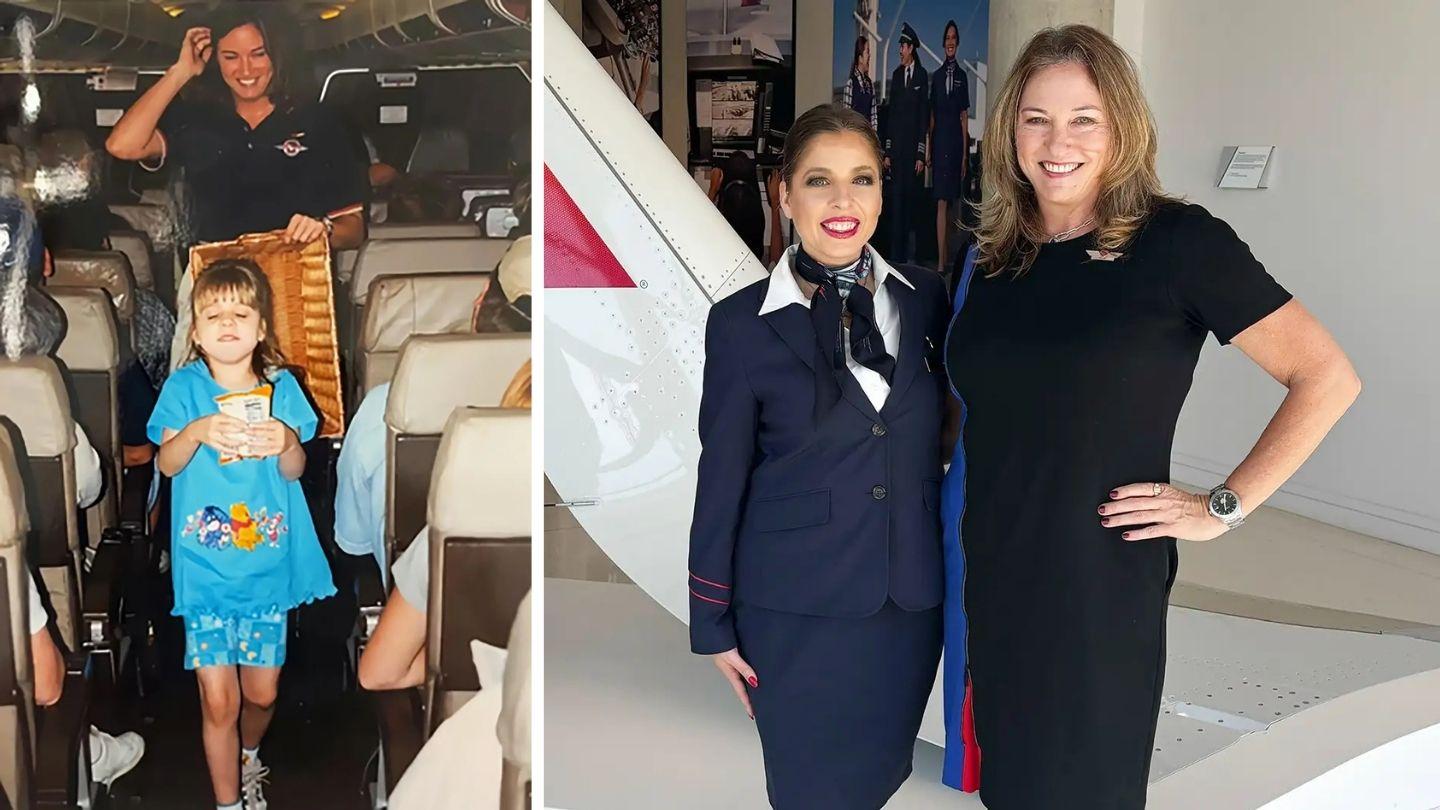
A plastic pair of wings handed to a 6-year-old on a flight to Florida ended up shaping Angela Luna’s next job. Luna, now 31, said a childhood flight attendant named Kym Hughes left a lasting impression when Luna was traveling with her family to Tampa. “I thought it was so cool that the flight attendants could walk around the plane,” Luna tells PEOPLE. “Kym came by and asked if I wanted to help pass out snacks, and she even gave me a plastic set of wings. My grandpa took photos of the whole thing.” Luna said the flight happened just before the 9/11 attacks, when airport security was far more relaxed. “We used to be able to go to the gates with family and friends, and everything felt more personal,” she recalls to PEOPLE. “I loved how she took the time to let me walk around the plane and make other people happy. That always stayed with me.” Years later, that memory came back after Luna received a conditional job offer from American Airlines in 2024 and began preparing for a career as a flight attendant. “I found the old photos my grandpa took and wondered if she was still flying,” she said to PEOPLE. “I thought it would be amazing if she could pin my wings when I became a flight attendant.” Luna posted in a flight attendant Facebook group, hoping someone would recognize Hughes’s name. She quickly got an answer. Hughes was still flying and working as a Chicago-based Southwest Airlines flight attendant after nearly three decades in the industry. Luna also found out Hughes was friends with one of Luna’s own friends, who also works as a flight attendant. “It was such a small world,” Luna says. “We started texting through the whole process, and I couldn’t believe it.” Luna later posted the story on TikTok. The video drew more than seven million views. Then the moment she had hoped for since childhood happened during flight attendant training, when Hughes pinned Luna’s wings. “She gave me my first set when I was 6, so having her pin my wings now was surreal,” Luna says. “It really felt like everything came full circle.” Getting there was not straightforward. Before applying, Luna had been working in news and was unsure about leaving journalism. She applied for a flight attendant position in November 2024 “just to see what would happen.” Out of more than 100,000 applicants, she reached the final interview stage in Texas. Hiring pauses delayed her training. Luna said she left her station in February and drove to Texas to begin training. She now plans to move to Boston, where she will keep flying while also attending graduate school to further her journalism career. “It’s amazing how much flexibility this job gives you,” she says. “As a journalist, I believe everyone has a story to tell, and sometimes the best stories happen on flights or in airports.” During training, Luna said she was also dealing with a major personal loss. “My mom passed away during my second week,” Luna says to PEOPLE. “It was incredibly hard, but I know she would have wanted me to finish.” She said the experience reminded her of her brother, who completed Marine Corps boot camp after their father died several years earlier. “I really believe people come into our lives for a reason,” she says. “Having Kym reconnect with me and having my training class support me during that time meant everything.” Now, as she gets ready to start flying, Luna said she wants to give another child the kind of moment Hughes gave her. “I hope I can hand a kid their wings and make them feel the way I felt,” she says. “You never know what small moment might stay with someone forever.” 📸 credit: Angela Luna

Get even more good news on the free app!

Score (94)
Rivals No More: Two Global Conservation Tools are Joining Forces in a Major Collaboration
For years, many conservation groups have had the same problem. Two widely used software platforms could each do part of the job, but using both often meant shuffling information between separate systems. Now those two platforms, SMART and EarthRanger, are being merged into a single product called SERCA. The move is aimed at simplifying wildlife monitoring, patrol management and conservation data analysis for groups working in protected areas. SMART and EarthRanger have overlapping functions, but many organizations have still needed both, creating logistical challenges in managing data across two dashboards. “It’s an enormous opportunity to deliver incredible tools across the entire world for conservationists,” EarthRanger director Jes Lefcourt told Mongabay. SMART was created in 2011 through a partnership between nine conservation groups that wanted a more efficient way to collect and analyze field data in protected areas. Since then, the software has grown to include mobile, desktop and cloud-based components that let organizations record field data including wildlife encounters, illegal activity and ranger responses during patrols. The platform is now used across 1,200 sites in more than 100 countries. In Zambia, the nonprofit Zambian Carnivore Programme uses SMART to collect carnivore and herbivore data in protected areas including South Luangwa National Park and Liuwa Plain National Park. In those places, large carnivores face threats from habitat loss and snaring. Ecologists record group composition, hunting behavior, reproduction and interspecies dynamics of hyenas, African wild dogs, lions, leopards and cheetahs. “You can actually see your database and manage your data, and we need to edit a lot of the data before we can use it for analysis,” Zambian Carnivore Programme data manager Elke van Gils said of why the program uses SMART. But SMART also has limits. It is not designed for real-time monitoring and has limited mapping and visualization tools, making it harder to track threats or species sightings as they happen. It also requires significant training to use effectively. Many organizations rely on a dedicated data analyst to manage the platform and process information collected in the field. Even with that support, the large data sets can be difficult to digest, and some conservation groups do not have the capacity to turn the information into on-the-ground decisions. “Everyone collected a lot of data, a lot of data,” said Rony García, biological research department director at the Guatemala office of the Wildlife Conservation Society, which uses SMART to organize ranger patrols in the Maya Forest. “But very few people are really analyzing what is happening there. So the intelligence is being lost.” Groups that need real-time monitoring and mapping have often turned to EarthRanger instead. The system was created in 2015 and is currently managed by the Allen Institute for Artificial Intelligence, a nonprofit research institute established by the late Microsoft co-founder Paul Allen. Today, the software is used at more than 900 sites in more than 80 countries. In Chile, EarthRanger helps monitor puma dens in real time, with a map showing where individuals move around their habitat throughout the day. In Thailand, it is used to monitor elephant movement and protect against human-wildlife conflict. Other groups use it to track ranger patrols in real time rather than logging data after the fact, as is typically done with SMART. In Guatemala, García said EarthRanger is useful for collecting data about scarlet macaw nesting sites, including when birds are present in their nests and how many eggs they are laying. He said the mobile platform is user-friendly and, like SMART, removes the need to take handwritten notes in the field that can become messy, illegible or damaged by weather. “It’s really easy to use and easy to understand,” he said. Even after the creation of Gundi in 2023, a bridge that allows data to move between SMART and EarthRanger, several conservation groups told Mongabay they still wanted one integrated system. That led to SERCA. The new platform will combine EarthRanger’s user-friendly interface and real-time visualization with SMART’s data collection and analysis capabilities. The project is a collaboration between WCS, WWF, Re:wild, Panthera, North Carolina Zoo, Wildlife Protection Solutions, the Frankfurt Zoological Society, the Zoological Society of London and EarthRanger, which was developed by the Allen Institute for Artificial Intelligence. Lefcourt said the idea of combining the platforms had been discussed since the early iterations of EarthRanger, but an agreement was not reached until 2025. Development began this year. “The two largest conservation technology initiatives were spending money on two parallel efforts that were headed more or less towards the same north star,” Lefcourt told Mongabay. “We came together to establish SERCA to alleviate that.” A release date has not yet been announced, but Lefcourt said the rollout is expected to begin before the end of the year. The platform will include web, mobile and desktop versions, along with other technologies. He said users should think of the product less as a hard launch and more as a gradual rollout. Software updates are expected every two weeks after the first version is introduced. SMART will eventually be phased out as its capabilities are added to EarthRanger, which will be rebranded as SERCA. For now, most organizations are expected to continue using SMART or EarthRanger in their current forms. García said combining the two could make the transition easier for groups that have already spent years working with one system or the other. “It’s something we’ve needed for a long time,” García said. “It took a long time for people to accept SMART, and getting people to switch to EarthRanger wouldn’t have been easy. But now, if they can combine them into a new product, it will make adoption much easier, and SMART users will be able to take advantage of things from EarthRanger that they didn’t have before.” 📸 credit: SMART Partnership
Score (98)
First Homeless Village Under A Bridge Opens 40 Furnished Homes For Unhoused Residents
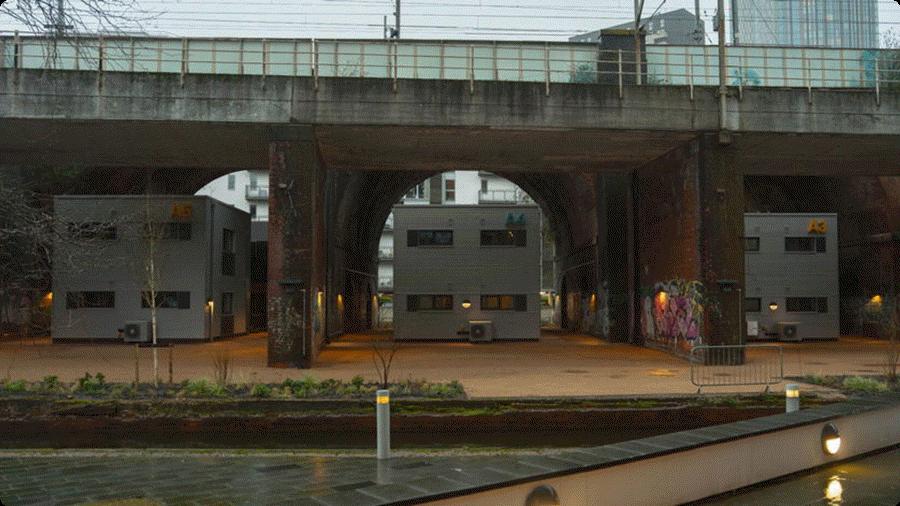
Under 22 railway arches in Manchester’s Castlefield, a new housing project is taking shape for people trying to move out of homelessness. Embassy Village has opened with 40 fully furnished private units, along with support services and shared spaces for residents to socialise, dine and focus on wellness. Manchester has more than 2.7 million residents, and as of late 2025, about one in 61 people in the city were experiencing homelessness. Embassy, the Greater Manchester charity behind the project, says the aim is to help people break that cycle. “We’re not just housing people. We are offering the chance for them to rebuild their lives,” Embassy co-founder Sid Williams told Manchester Evening News. “The goal is always to help them break the cycle of homelessness.” The village includes a multi-use sports area, outdoor gardens where residents can grow their own produce, and a dedicated space for mentoring and socialising. Each resident will also receive six hours of one-on-one support every week after moving in. That includes sessions on cooking, budgeting and job interview preparation. Manchester Evening News reported that more than 20 local companies have signed on as employment partners for residents. Construction has now been completed after support from more than 130 businesses, which provided materials, labour or expertise on a pro-bono basis. Vermont Construction Group built the facility at no profit. Mark Connor, CEO of Vermont Construction Group, said the project was about more than building homes. “Homelessness is a huge issue in Manchester as the city has some of the highest numbers of rough sleepers in the country,” Connor said in a statement. “This project isn’t just about bricks and mortar. It’s about creating a community and support system for people who need it.” The development was backed by a £3.5 million donation from The Moulding Foundation and £1.7 million in Brownfield Development Funding from the Greater Manchester Combined Authority. Other private foundations also helped finance it. Embassy was founded in 2019. Its first model for emergency shelter used a repurposed luxury tour bus to house people experiencing homelessness. Williams said that experience showed the need for stronger transitional housing, and that led to the idea for Embassy Village. Development group Peel Waters helped bring the project together over about six years. “Buying an A-lister tour bus to house homeless people seemed a big vision when we started, and yet here we are not so long later building an entire village,” Williams said at a celebration marking the project’s completion. “We couldn’t have done this without the incredible companies, individuals, and trusts who have given their support and believed in the vision.” James Whittaker, managing director of Peel Waters, said seeing the finished site was one of the proudest moments of his career. “Watching Embassy Village reach completion is one of the proudest moments of my career. Walking through the finished homes and seeing this once-forgotten space transformed into a place of safety, dignity and hope is incredibly moving,” Whittaker said in a statement. “What makes it even more special is knowing that this wasn’t achieved by one organization alone, but by an entire city coming together with compassion, generosity and belief in what’s possible.” City figures have also welcomed the project. “Initiatives such as this show how big things can happen when the people and businesses of Greater Manchester come together,” Tim Heatley, chair of the Greater Manchester Mayor’s Charity, said in a statement. “A city is judged on how it looks after its most vulnerable residents, and once again, our city region is leading the way.” 📸 credit: Peel Waters

Score (97)
Tunisian Solar Cars are Using Africa’s Sun To Add 30 Free Miles A Day
A Tunisian carmaker is betting the sun can help sell electric vehicles in Africa. Bako Motors is rolling out two solar-powered EVs in Tunisia, a small delivery vehicle called the B-Van and a two-seater passenger car called the Bee. The company is already manufacturing the models and selling them in showrooms on the continent. CNN reported the market for EVs in Africa is predicted to reach several billion dollars by the end of the decade. Many countries in Africa import most of their vehicles. Bako Motors is pitching its cars into a market with a big obstacle for electric transport. Charging infrastructure is largely absent, limiting wider use of EVs. The company’s answer is to use solar panels on the roof of each vehicle. With those panels, a Bako vehicle can get 50 kilometres of charge per day for free, according to the source text. That extra energy can improve dependability in places without charging points. “The solar cells provide us with more than 50% of our needs,” Boubaker Siala, founder and CEO of Bako Motors, told CNN. “For example, the B-Van, for commercial use, you can have free energy for about 50 kilometers per day… 17,000 kilometers (10,563 miles) per year. It’s huge.” The company says about 40 percent of the material used in each vehicle is sourced from the continent. That includes the lithium-iron-phosphate batteries and steel. Price is a major part of Bako Motors’ pitch. The B-Van costs about 25,000 Tunisian dinar, or $8,500. The Bee is priced at $6,200. The vehicles are not built for speed. The source text says the Bee has a top speed lower than many of the continent’s petrol-powered mopeds. But Bako is leaning on lower running costs instead. A day in the sun can charge more than two-thirds of the Bee’s battery, according to the source text, which could mean substantial savings in fuel and electricity. The B-Van is aimed at commercial users. It can carry 363 kilograms of cargo and has a range of up to 261 kilometres. The source text says it is designed for last-mile delivery and artisanal market businesses. Bako Motors’ publicity video for the B-Van was shot in Sidi Bou Said, near Carthage, according to the source text. It cites the whitewashed streets there as an example of the kind of setting where artisanal market businesses flourish. The company has already moved past some of the toughest early steps. The source text says the design work and the construction of manufacturing facilities are complete. Bako Motors now needs its plants in Saudi Arabia and Tunisia to run at nameplate capacity. Its target is to produce 8,000 vehicles for cities across the continent, with eventual exports to Europe also part of the plan. Siala says the company sees a large opening in the African market. “The addressable market in Africa is about 1 million vehicles per year. We have to prepare ourselves for this transition (and) offer affordable and good products for the African citizen,” says Siala. “We are targeting maybe 5 to 10% of this market.” 📸 credit: Bako Motors
Score (96)
Only 2,000 Left, And Now 12 More: Tiny Possums Are Getting a Lifeline
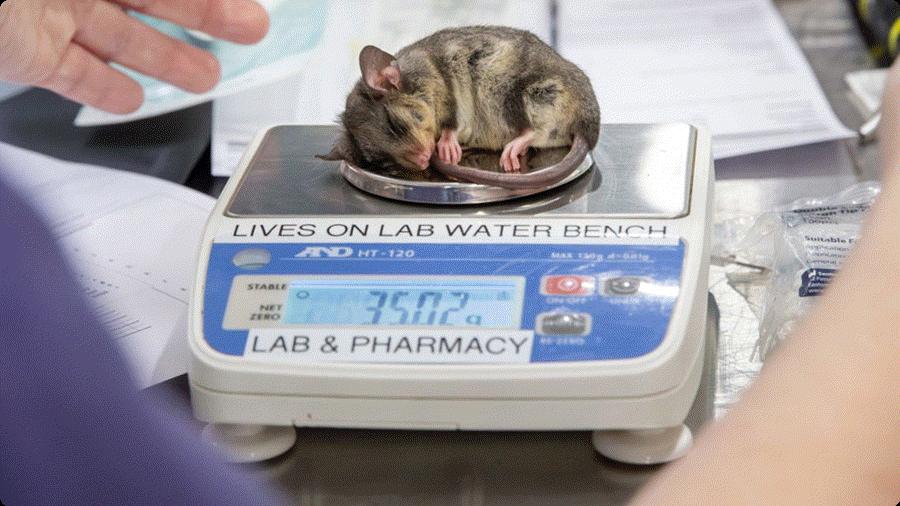
A tiny win for a species hanging on by a thread. Healesville Sanctuary in Victoria has successfully bred 12 critically endangered mountain pygmy possums, with fewer than 2,000 of the animals left in the wild. The sanctuary said three mothers each produced litters of four offspring in its breeding program, the maximum number of young for the species. The joeys were born last October. They spent four weeks in their mothers' pouches before they were old enough to be left in nest boxes. Mountain pygmy possums become fully independent at about three months old, but zookeepers have only now had their first in-person look at the joeys during their first vet checks at the sanctuary's Australian Wildlife Health Centre. Staff had been watching their movements on CCTV before then. It is understood fewer than 2,000 mountain pygmy possums remain in the wild, and Healesville Sanctuary said every single one is valuable. Healesville Sanctuary Threatened Species Coordinator Nicole Boys said the joeys already resembled the adults. “The best way to identify them is by their big heads and much littler bodies.” She said the 12 young possums would stay at the sanctuary as part of the breeding program. “These little joeys will remain here in our breeding programme, and hopefully, in the coming years they will go on to breed, sharing their genes.” The species is critically endangered because its alpine habitat is shrinking due to climate change. Its key food source, the Bogong Moth, has also significantly declined in recent years. The animals also face habitat fragmentation and predation from cats and foxes.
Score (92)
After 50 Years, Toucans are Returning to Rio and Reviving a Lost Forest Role
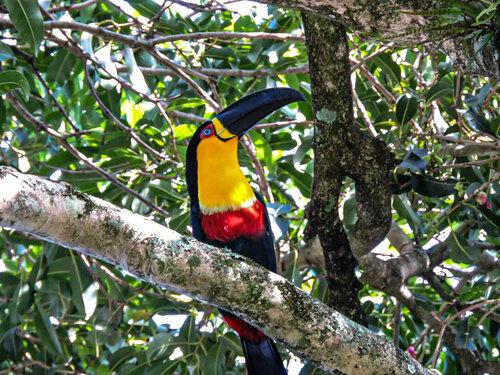
For more than 50 years, ariel toucans have been back in Rio de Janeiro’s Tijuca National Park. A new study suggests they have also returned to the job they once did there, eating and dispersing seeds from a wide range of native plants in the forest. The study found the ariel toucan, Ramphastos ariel, has almost entirely settled back into its original ecological role in Tijuca, which the source text describes as the world’s largest urban forest in southeastern Brazil. The bird had become locally extinct in the 1960s. Researchers followed ariel toucans through the Tijuca forest for a full year and recorded every plant species the birds ate. They compared those observations with a list of 101 native plant species that the toucan had historically interacted with. The team often walked more than 20 kilometers a day through the forest to observe the birds’ diet. They found the toucans interacted with at least 76 percent of the plants historically on the species’ menu. Lead author Flávia Zagury, an urban ecology researcher at the Federal University of Rio de Janeiro, described the birds’ feeding skills in comments to Mongabay. “They are such sociable and intelligent beings. The way they are able to handle fruits: Sometimes it has a hard capsule on the outside, and they hold it with their little feet and open it with their beaks,” Zagury told Mongabay by phone. “They have an incredible ability to access these resources.” The study also found the birds were feeding on fruits and seeds from plants that few other animals can crack open. That may make them important dispersers for endangered trees, including the jussara palm, Euterpe edulis, and the bicuíba-branca, Virola bicuhyba. The source text says both tree species are native, nationally classified as endangered, and have lost more than half of their range. “The jussara palm, a species in danger of extinction, was one of its favorites. I think it was the champion, the one it ate the most,” Zagury said. Researchers also looked at how the toucans fit alongside other animals that have recently been reintroduced to the park, including red-rumped agoutis, Dasyprocta leporina, and brown howler monkeys, Alouatta guariba. They found minimal dietary overlap between those species and the toucans. According to the source text, that points to a “functional uniqueness” for the birds in the park’s ecosystem, especially when it comes to plants with larger seeds, Zagury added. While the toucans interacted with 76 percent of the full plant list, the figure rose for plants with medium and large seeds. The study found the birds interacted with nearly 90 percent of the plants in that group, defined in the source text as seeds larger than 6 millimeters. The ariel toucan was reintroduced to Tijuca in 1970. Primatologist Adelmar Coimbra Filho released 46 individuals inside the park as part of an effort to restore fauna in the degraded forest. Since then, the released birds had been left largely unmonitored, according to the source text. The new study is among the first to assess that reintroduction more than half a century later. Even with the new findings, Zagury said there are still major gaps in what researchers know about the birds’ effects on the forest. A lot remains unknown, including how much ariel toucans contribute to the dispersal of different plant species and to reforestation, she said. “It’s pretty much a blank canvas; there is so much we still don’t know,” Zagury added. "Ramphastos vitellinus ariel" by Guilherme Thielen is licensed under CC BY 4.0. To view a copy of this license, visit http://creativecommons.org/licenses/by/4.0/?ref=openverse.

Score (98)
Shell Shocked! Scientists are Turning Peanut Shells Into High-Quality Futuristic Graphene
Peanut shells usually end up as a low-value byproduct. A team of Australian researchers says they can do much more, turning that waste into graphene-like carbon materials with a process that uses less energy and no chemicals. Worldwide peanut production creates more than 10 million tons of discarded shells each year, according to the research. The new study, led by the University of New South Wales in Australia, found the shells have the potential to help make graphene in a cheaper and more environmentally friendly way than some conventional production methods. Graphene is made from carbon and is often described as a “wonder” material because it is very strong, very light, and conducts heat and electricity well. It is already widely used and is expected to improve consumer electronics in the future. But graphene is also hard to produce at scale and expensive to make. The researchers say alternative manufacturing methods could improve energy systems, data storage and other modern technologies. UNSW mechanical engineer Guan Yeoh said peanut shells are an overlooked source material. “Most of the waste from the shell is either discarded or recycled into low-value applications that don't maximize their full potential,” he said. “What we have shown in this work is that basic peanut shells can be turned into high-quality graphene, using much lower energy than is currently required and therefore at a lower cost. We also do not need to use any chemicals, so there is an added environmental benefit.” A key part of the process is lignin, a natural polymer found in most plants that contains a lot of carbon. Peanut shells already contain lignin, but the researchers needed to work out the best way to prepare the shells before turning them into graphene. The team tested several methods to prepare shell waste before applying flash joule heating, or FJH. In that process, a flash of electricity heats the material to more than 3,000 degrees Celsius for milliseconds. The rapid heat rearranges the carbon atoms into graphitic structures, including few-layer turbostratic graphene. The study found the preparation stage made a major difference to the final result. The best method used a staged pretreatment, starting with indirect Joule heating at about 500 degrees Celsius for 5 minutes, followed by a short higher-temperature step. That treatment removed impurities and converted the shells into char, a carbon-rich material that is much more conductive than raw peanut shells. “That process is vital to remove the impurities and give us the best carbon-rich material to help ensure there are minimal defects in the final graphene and that it is indeed just a single layer of atoms,” Yeoh said. “That's what you want and need to ensure that it has the best properties in terms of conducting electricity and heat.” Researchers have tried turning peanut shells into graphene before, but this study points to the value of carefully controlling the precursor material to lift the quality of the graphene produced. The researchers said the process still has limits. The graphene scored highly for quality, but it is usually made up of a few graphene layers stacked in a turbostratic arrangement. They also said it could take three to four years to scale the technique up for commercial use. The work remains at the proof-of-concept stage, and the team plans to keep refining the process in the lab. The researchers also want to test the same preparation and heating method on other kinds of biomass. “We are planning to also carry out experiments with other materials, such as coffee grounds, or banana peels, or anything else that can give us that good char to then turn into graphene,” Yeoh said. “Considering how much organic material like that is available, our work demonstrates a good balance between the energy efficiency, the quality of graphene we end up with, and the economic viability of the whole process.” The research was published in Chemical Engineering Journal Advances.

Score (93)
Scientists Finally Crack How This Alzheimer’s Drug Clears the Brain
For a drug already in use, lecanemab has carried a basic question for years, how does it actually clear amyloid from the brain? Scientists in Belgium now say they have the clearest answer yet. Researchers from VIB and KU Leuven reported that lecanemab, sold as Leqembi, depends on a specific part of the antibody called the Fc fragment to switch on microglia, the brain’s immune cells, so they can clear amyloid plaques. The team said the work is the first clear explanation of how this kind of anti-amyloid therapy functions in Alzheimer’s disease. The findings were published in Nature Neuroscience. Lecanemab is a monoclonal antibody treatment for Alzheimer’s disease that targets and removes harmful amyloid plaques while slowing cognitive decline. The new research focused on how that plaque-clearing process happens. “Our study is the first to clearly demonstrate how this anti-amyloid antibody therapy works in Alzheimer’s disease. We show that the therapy’s efficacy relies on the antibody’s Fc fragment, which activates microglia to effectively clear amyloid plaques,” said Dr. Giulia Albertini, co-first author of the study. “The Fc fragment works as an anchor that microglia latch onto when they are near plaques, as a consequence of which these cells are reprogrammed to clear plaques more efficiently.” More than 55 million people worldwide live with Alzheimer’s disease, according to the researchers. The disease is driven by the buildup of amyloid plaques in the brain. These toxic protein clusters damage neurons and eventually lead to dementia. Microglia naturally gather around these plaques, but they are typically unable to remove them effectively. Researchers have been developing treatments aimed at restoring that immune function. Lecanemab is one of the therapies designed to target amyloid-beta plaques and slow disease progression, and it has already received FDA approval. But the researchers said side effects have limited its overall benefit, and until now its exact mode of action remained unclear. Antibodies have two main parts. One part binds to a target such as amyloid plaques. The other, the Fc fragment, signals the immune system. Earlier research had suggested microglia were involved in clearing plaques, but direct proof linking their activity to lecanemab’s effectiveness was missing. Some scientists had also proposed that plaque removal could happen without the Fc fragment. The team led by Professor Bart De Strooper found that the fragment is essential. Microglia responded only when the Fc fragment was intact and functional. When the researchers removed it, the antibody no longer had any effect. To test that, the researchers used a specially designed Alzheimer’s mouse model that included human microglial cells. They said that let them closely observe how lecanemab interacts with human immune cells and promotes plaque clearance. “The fact that we used human microglia within a controlled experimental model was a major strength of our study. This allowed us to test the very antibodies used in patients and observe human-specific responses with unprecedented resolution,” said Magdalena Zielonka, co-first author. The researchers then looked at how activated microglia remove amyloid plaques in that model. They identified key cellular processes involved in the cleanup, including phagocytosis and lysosomal activity. They said those processes were triggered only when the Fc fragment was present. Without it, the microglia stayed inactive. Using single-cell and spatial transcriptomics, the team also identified a specific pattern of gene activity in microglia linked to effective plaque removal. That pattern included strong expression of the gene SPP1. The researchers said they identified that pattern using NOVA-ST, a method developed by the Stein Aerts lab at VIB-KU Leuven. The study, the researchers said, also points to possible new approaches for Alzheimer’s treatment. By identifying the exact microglial program involved in clearing plaques, the findings suggest future therapies could activate microglia directly instead of relying on antibodies. “This opens doors to future therapies that may activate microglia without requiring antibodies. Understanding the importance of the Fc fragment helps guide the design of next-generation Alzheimer’s drugs,” said Professor Bart De Strooper. The research was carried out at the VIB-KU Leuven Center for Brain & Disease Research and was supported by the European Research Council, Alzheimer’s Association USA, Research Foundation Flanders, Queen Elisabeth Medical Foundation for Neurosciences, Stichting Alzheimer Onderzoek, Fondation Recherche Alzheimer, KU Leuven, VIB, and UK Dementia Research Institute University College London.
%3Afocal(750x500%3A751x501)%2Fhttps%3A%2F%2Ftf-cmsv2-smithsonianmag-media.s3.amazonaws.com%2Ffiler_public%2Ff5%2F1f%2Ff51f6f23-c444-4a03-8187-c6a7a0ff498c%2Farchimedes.jpg&w=3840&q=75)
Score (97)
Researchers Rediscovered a Lost Archimedes Manuscript Leaf In the French Museum Archives
A page historians thought was gone has turned up in a French museum archive, and it belongs to one of the most famous manuscripts in mathematics. Researchers say a missing leaf from the Archimedes Palimpsest has been found at the Musée des Beaux-Arts in Blois, France. The rediscovered page was sitting in the museum’s archives, according to the French National Center for Scientific Research, or CNRS. The Archimedes Palimpsest is a 177-page manuscript created in the tenth century C.E. It contains rare copies of treatises by Archimedes, the third-century B.C.E. mathematician, as well as writings by other authors. Archimedes made major discoveries in mathematics, engineering and physics. In the sixth century C.E., Isidore of Miletus, the architect of the Hagia Sophia, compiled the first known collection of his treatises. Today, two of those treatises, The Method and Stomachion, survive only through the Archimedes Palimpsest, which was created by an unknown scribe in Constantinople. The manuscript later ended up in a monastery, where 13th-century monks reused the parchment as a prayer book. They decided to “wash, scrub and overwrite” the pages, writes Artnet’s Richard Whiddington. “This practice of recycling was common at the time for such animal-skin writing materials, which were extremely costly,” according to a CNRS statement. In 1906, a historian photographed every page of the manuscript. But three leaves later went missing. The manuscript was sold for $2 million at a Christie’s auction in 1998 and was later displayed at the Walters Art Museum in Baltimore. William Noel, a curator of ancient manuscripts at the Walters Art Museum, described the manuscript’s significance in 2007. “This book never ceases to give up its secrets,” Noel told Smithsonian magazine’s Mary K. Miller. “It’s like working with a great mind; you’re made to think of things in new ways, from the nuts and bolts of medieval history to the roots of calculus and physics.” The newly identified page is leaf 123. Researchers said it matched the 1906 photographs. The find began with a conversation between colleagues. Victor Gysembergh, a historian at CNRS, told Agence France-Presse that he and his co-workers had been talking about how French kings used to keep precious parts of their libraries in Blois. Gysembergh then suggested checking for a palimpsest there. “Hey, let’s see if there’s a palimpsest in Blois,” he told AFP. “It was very unexpected to stumble upon a Greek manuscript. And even more so to find a tenth-century scientific treatise!” According to CNRS, one side of the leaf still preserves part of Archimedes’ work. “On one of its two sides, a text of prayers partially covers geometric diagrams and a passage from the treatise On the Sphere and the Cylinder, Book I, Propositions 39 to 41, much of which remains largely legible,” the statement said. The other side presents a tougher problem. “The other side is covered by an illumination added in the 20th century, depicting the prophet Daniel surrounded by two lions, beneath which the ancient text remains to this day inaccessible using conventional methods of examination,” according to the CNRS statement. The researchers published their findings in the German Journal of Papyrology and Epigraphy. They hope to use X-rays and multispectral imaging to read the hidden text. The same technique was used to reveal passages from the manuscript in the early 2000s. Abigail Quandt, the senior conservator of manuscripts and rare books at the Walters Art Museum, described that earlier conservation work in a 2011 statement. “I documented everything and saved all of the tiny pieces from the book, including paint chips, parchment fragments and thread, and put them into sleeves so we knew what pages they came from,” Quandt said. “I stabilized the flaking ink on the parchment using a gelatin solution, made innumerable repairs with Japanese paper and reattached separated folios.” Officials do not yet know if the rediscovered leaf will be reunited with the rest of the manuscript in Baltimore. Photo by © Blois, Musée des Beaux-Arts, Inv. 73.7.52. Photography IRHT-CNRS