






Scroll For More







Score (99)


This 70-Year-Old Man Just Took a 40-Day Trip Around England for Charity
In an inspiring feat of determination, 70-year-old Stephen Chitty from Watford, Hertfordshire, embarked on a 40-day bus journey spanning the entire length of England to raise funds for the charity Mercy Ships. Covering 1,650 miles on 117 buses, Chitty's remarkable journey touched cities like Newcastle and Norwich. His effort, driven by his desire to mark his 70th birthday in a meaningful way and support a noble cause, has not only raised nearly £2,000 for Mercy Ships but has also demonstrated the kindness and generosity of strangers along the way.


Score (99)
Orphaned Joey Named Mr Bean Finds a Second Chance with Aussie Ark Ranger
A tiny Rufous Bettong joey named Mr Bean is winning hearts—and bouncing back—after being rescued and hand-raised by conservationists at Aussie Ark. The marsupial was discovered late last year at the Barrington Wildlife Sanctuary in New South Wales after being thrown from his mother’s pouch during a routine macropod trapping and health check. Weighing just 265 grams at the time, the fragile joey was entirely dependent on maternal care and wouldn’t have survived on his own. Aussie Ark quickly stepped in, assigning Wildlife Ranger Riley Tydeman as the joey’s surrogate caregiver. The organization said Tydeman was the “natural choice” for the role, having raised several macropod joeys before—including other Rufous Bettongs. Tydeman fed Mr Bean a specialized macropod milk formula and provided a cloth pouch to mimic his mother’s, offering comfort and warmth. The joey has been thriving ever since. In a statement, Aussie Ark said, “Mr Bean flourished in Mr Tydeman’s care,” sharing that home videos show the growing bettong nibbling on his carer’s hair, trying solid food for the first time, and curling up in a cat bed for naps. Rufous Bettongs, sometimes known as “rat-kangaroos,” are ancient relatives of the kangaroo. While they bounce and carry young in a pouch, they also have unique traits of their own: they emit a low growl when agitated and use their semi-prehensile tails to gather leaf litter for building dens known as dreys. Mr Bean’s story highlights the delicate work of conservation teams caring for lesser-known Australian species. For now, he’s safe, healthy, and in good hands—snacking, snuggling, and living up to his charming name.
Score (98)
4 Years After Going Missing, This Cat With a ‘Moustache’ Reunited With Its Owner in Vermont
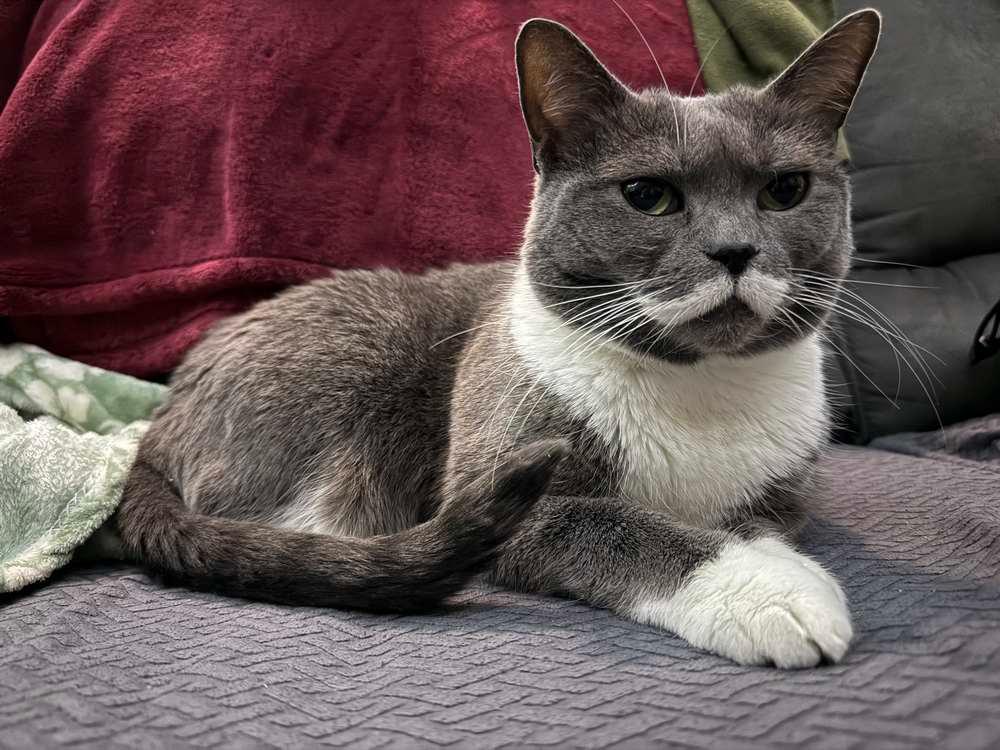
Maggie DeGreenia thought she’d lost her beloved cat forever. But nearly four years after Tinsel disappeared, a chance sighting on a shelter’s website led to an emotional reunion — and proof that sometimes, lost pets do come home. Tinsel, a black-and-white cat with a distinctive little “moustache,” went missing in December 2021 after she was accidentally let out of DeGreenia’s home in Vermont. What followed were weeks of searching on foot and by car, calls to local shelters, posters, and Facebook posts. But nothing turned up. “We called local shelters for weeks, searched for her by car and by foot,” DeGreenia recalled. Eventually, she had to accept that Tinsel was gone. “I just hoped she had found a new, loving home.” Tinsel had been with DeGreenia since 2017, adopted from a shelter in Lunenburg. They’d spent four years together before the disappearance. Then, this past December, DeGreenia’s cousin sent her a message: she’d seen a photo of a cat on the website of Riverside Rescue, a local shelter — and it looked exactly like Tinsel. “She texted me, ‘Hey important, I think I found Tinsel,’” DeGreenia told SWNS. “I was in disbelief when I saw the photo and immediately broke down in tears. I called the shelter as fast as I could, still in tears as I told them our story.” The shelter confirmed that the cat had recently been surrendered by people who had been caring for her since picking her up some time earlier. When DeGreenia arrived at the shelter, there was no doubt. Tinsel recognized her immediately, pressing her forehead against DeGreenia’s in a moment she called “the most incredible feeling.” After nearly four years apart, the two are now back where they belong — together. “She’s home, and I still can’t believe it,” DeGreenia said. Tinsel’s story is the latest in a string of unlikely reunions between pets and their owners, with other cases involving cats found after months — or even 16 years — away. This one, like the others, was made possible thanks to a sharp eye, a shelter doing the right thing, and a family that never forgot.

Get even more good news on the free app!
Score (97)
TikToker’s Homemade Jingle Lands Her a Dr. Pepper Commercial During College Football Championship
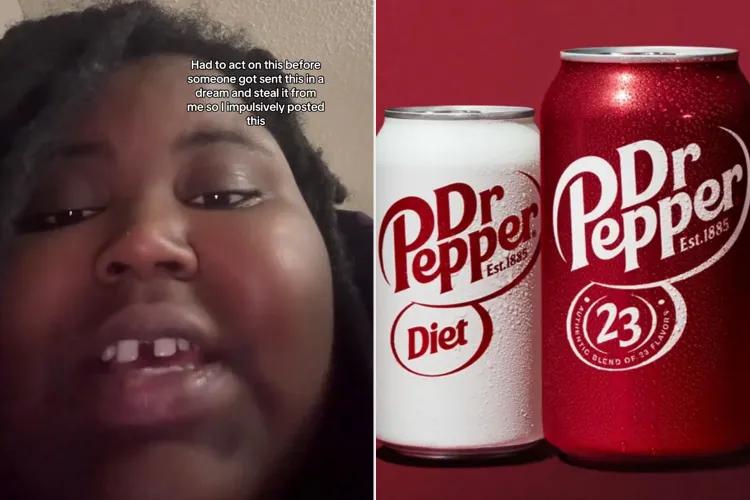
A TikTok jingle that started as a spontaneous upload has now landed in front of millions of TV viewers — and the creator behind it is soaking up the win. Back on December 23, TikToker Romeo shared a short, playful jingle she made up for Dr. Pepper, singing: “Dr. Pepper baby. It’s good and nice. Doo. Doo. Doo.” In her caption, she jokingly pitched the soda company: “please get back to me with a proposition we can make thousands together.” The internet listened. The video racked up more than 42 million views, five million likes, and over 300,000 bookmarks in less than a month. Dr. Pepper took notice too, replying directly: “hold on.... you might be onto something.” Turns out, they meant it. On January 19, during the 2026 College Football Playoff National Championship game, Dr. Pepper aired a brand-new commercial — and Romeo’s jingle was the star of it. Titled “Dr. Pepper Baby (Good & Nice Jingle) by @Romeosshow”, the 15-second spot featured her vocals over an upbeat track, while cans of original, diet, and zero sugar Dr. Pepper appeared on screen alongside the lyrics. The ad included a slow-motion shot of Dr. Pepper being poured into a glass, highlighting its signature fizz. The brand captioned the spot: “A song written by @Romeosshow about the 23 flavors of Dr Pepper? It’s a Pepper thing.” Romeo celebrated the commercial’s debut with a follow-up TikTok posted the same day. Using a green screen backdrop of a theatre, she mimicked an award show acceptance speech, lifting a Dr. Pepper bottle like a trophy and thanking “all of the Dr. Pepper fans” who “rallied together to make this moment happen.” “This is a big win,” she said, smiling. “Thank you to all my supporters.” Dr. Pepper chimed in again, commenting: “this speech gets a 23 hour standing ovation from us 👏.” The moment drew praise from across the platform. TikTok itself commented, “all of TikTok knew that jingle was special the second you posted it 😭🥹,” while other brands had joined in the fun earlier on. Indeed commented “You’re hired,” the Philadelphia Eagles said “I like the do do do part,” and Buffalo Wild Wings joked, “yea imma need one of these theme songs right now.” Supporters also shared screenshots of the commercial airing live, congratulating Romeo with messages like “Girl you famous famous!!!🥰🥰🥰.” While Dr. Pepper hasn't revealed if there’s more collaboration planned, Romeo's viral win has become the latest example of how a catchy tune and a smartphone can take someone from social media to prime time — one “doo doo doo” at a time.
Score (94)
Kentucky Schools Are Serving Up Fajitas — and a New Food Philosophy
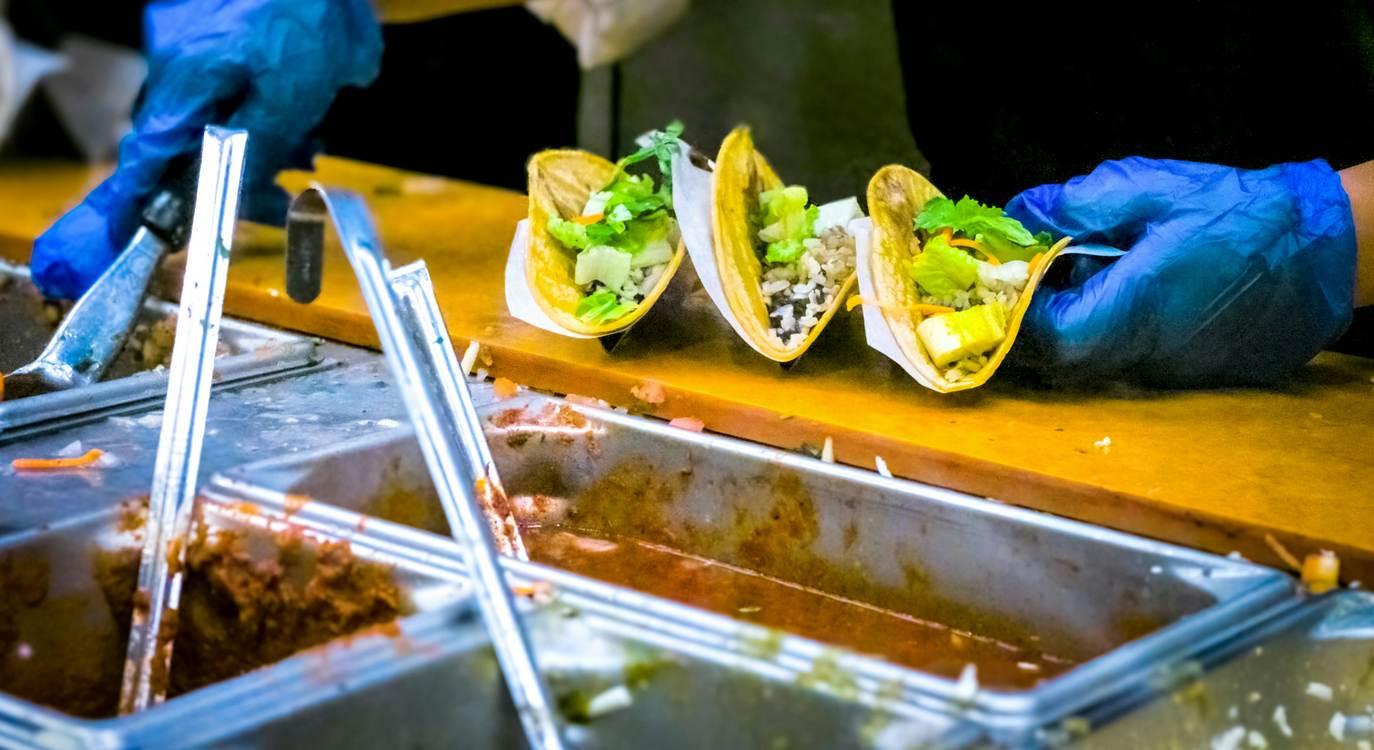
In the cafeteria at Boyle County High School, lunchtime sounds more like a neighborhood taco stand than a typical American school. Students line up for locally raised beef fajitas, stacked high with guacamole, queso, fresh tomatoes, and crisp lettuce—all wrapped in warm corn tortillas. Several gave them a solid “9.5 out of 10.” But this isn’t just about better lunch. It’s about a broader shift in how schools across Kentucky think about food—and where it comes from. The change took root during the pandemic, when Kentucky received $3.2 million in federal funds to support local food programs. The result: about 150 Kentucky farms now supply produce and meat to roughly 90 school districts across the state. The impact, says Boyle County School District Food Service Director Cheyenne Barsotti, goes far beyond what ends up on students' plates. “We do prioritize those center-of-the-plate items, so items like beef that are going to feature as an entree,” Barsotti told Lex 18 News. “As a director, I prioritize that because I know the quality is noticeable when you buy the local product, and I think our kids notice that as well.” She’s not just guessing. When students rave about the food, she knows they’re not just being polite—they’re genuinely enjoying it. And that feedback has given cafeteria staff the confidence to cook more from scratch, get creative with recipes, and try new things based on whatever produce is available. The shift is also changing how food workers think about their jobs. As trust grows between the kitchen and the student body, so does a sense of pride in preparing meals that feel more like home cooking and less like mass production. That change in culture has made its way to the farms, too. Just a few kilometers down the road from Boyle High, Circle G Farms pasture-raises cattle on feed grown on-site. The farm operates on a closed-loop system, using cattle manure to fertilize crops that go back into feeding the animals. The operation is rooted in sustainability and tight-knit community ties. “That’s the origin of Circle G Farms,” co-owner Carly Guinn explained. “We try to utilize every division of our farm to its highest potential and keep it sustainable.” Circle G has been working with local schools for years now. Even though the original pandemic-era grant has expired, Guinn and others say the program has changed expectations—for what farmers can provide, and what students should be eating. National nutrition guidelines are starting to catch up. The USDA’s most recent Dietary Guidelines for Americans prioritize protein over carbs for the first time, and stress the importance of "real food"—meaning food that doesn’t come in a box and actually spoils over time. That direction aligns closely with what schools like Boyle are already doing. Barsotti believes the difference is noticeable—and meaningful. It’s not just about fajitas, she says. It’s about giving kids a meal that makes them feel cared for, about connecting farms to schools in a way that benefits both, and about rewriting the playbook on what school lunch should be. And if that happens to include a few second helpings, all the better.
Score (94)
Shingles Vaccine May Help Slow Biological Ageing, Study Suggests
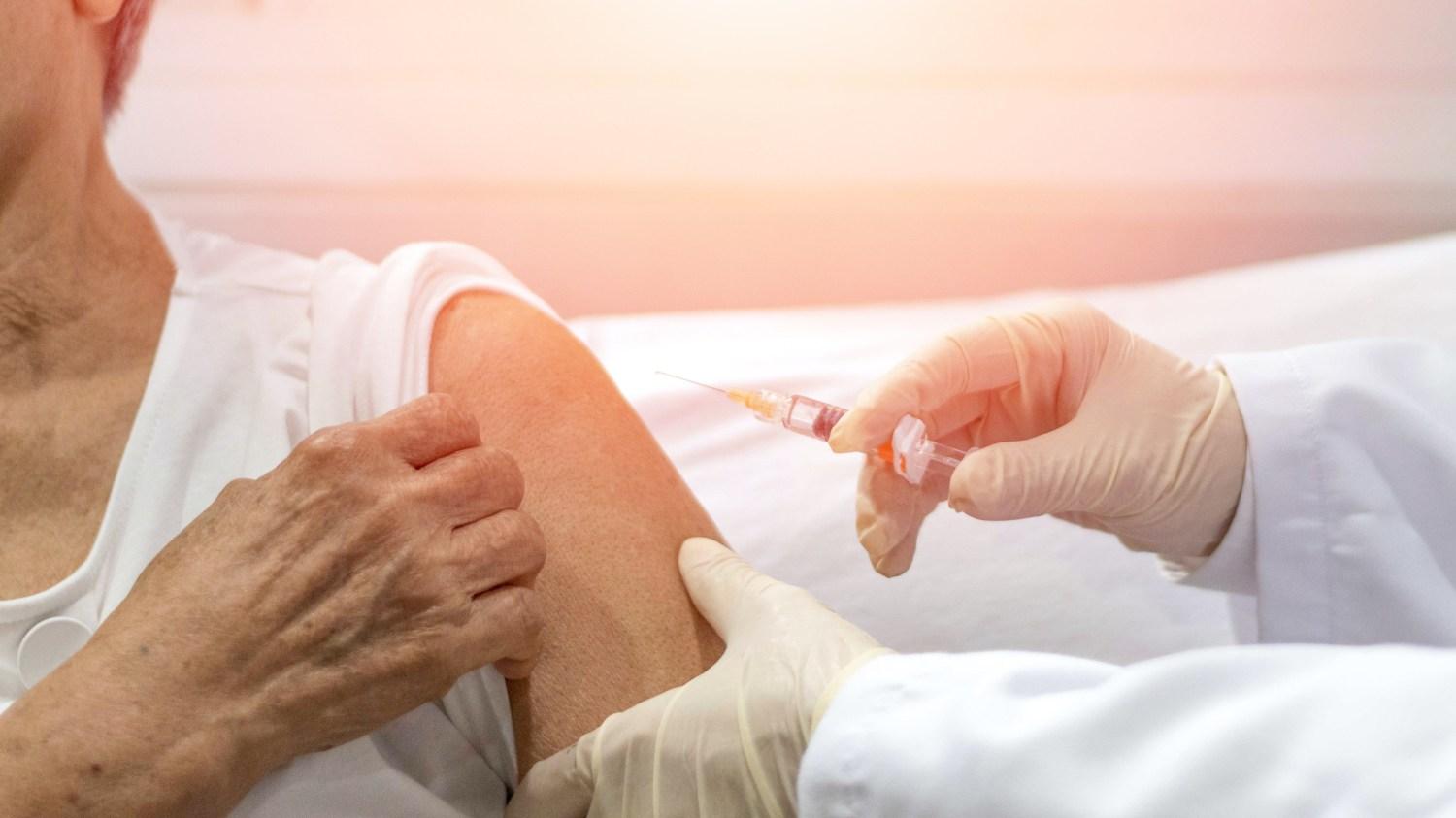
A routine vaccine designed to protect older adults from shingles may also help keep them biologically younger, according to new research. Scientists at the University of Southern California analysed data from nearly 4,000 Americans aged 70 and older and found that those who had received the shingles vaccine showed signs of slower biological ageing compared to those who hadn’t. The findings, published in The Journals of Gerontology, suggest the vaccine may do more than prevent a painful rash—it could also support healthier ageing overall. “This study adds to emerging evidence that vaccines could play a role in promoting healthy ageing by modulating biological systems beyond infection prevention,” said Jung Ki Kim, the study’s lead author. The research found that vaccinated individuals had lower levels of chronic inflammation, slower genetic ageing, and stronger biological ageing scores. The team measured two types of molecular ageing: epigenetic ageing, which looks at how chemical tags alter DNA activity over time, and transcriptomic ageing, which tracks how genes are converted into the proteins needed to keep cells functioning. Chronic low-level inflammation, often called “inflammageing,” is linked to a wide range of age-related diseases, including heart disease, Alzheimer’s, cancer, and frailty. According to Kim, the vaccine may reduce this background inflammation, possibly by preventing the reactivation of the virus that causes shingles. Shingles, or herpes zoster, is a reawakening of the dormant chickenpox virus. It causes a painful blistering rash and can lead to long-term nerve pain, especially in older adults with weakened immune systems. The shingles vaccine is already widely recommended in several countries, including the UK, where it's offered through the NHS to people turning 65, those aged 70 to 79, and anyone over 18 with a severely weakened immune system. Although the study is observational—meaning it cannot prove the vaccine directly slows ageing—it does show a strong association. And importantly, those who received the vaccine four or more years before their blood was tested still showed signs of slower biological ageing compared to those who had never been vaccinated. This helps to reduce concerns that the findings might simply reflect the “healthy user effect,” where people who get vaccinated are already more health-conscious. The results echo findings from another large review published last year in Age and Ageing, which looked at more than 100 million people aged 50 and older. That study found shingles vaccination was associated with a 24 percent lower risk of dementia and a 47 percent lower risk of Alzheimer’s disease. While more research is needed to fully understand the link between vaccination and ageing, the evidence so far suggests that routine immunizations might have benefits that go well beyond their original purpose.

Score (94)
Rescuers Reunite Stranded Sea Otter Pup with Its Mother off California Coast
A southern sea otter pup that became stranded on a beach in Morro Bay, California, has been successfully reunited with its mother, thanks to a swift response by rescuers from the Marine Mammal Center. The pup was found alone on the sand, prompting a call to the center’s response team. Staff secured the pup in a crate and launched a boat search along the coastline, hoping to find its mother. Knowing the pup might tire during the search, the team recorded its vocalizations—high-pitched cries that baby otters use to call for their mothers. They played the audio continuously as they scanned the area. After two hours, a female otter began circling the boat, showing signs of recognition. In a video released by the center, staff are seen carefully lowering the pup into the water near the adult otter. Moments later, the female grabbed the pup gently with her mouth and swam off with it. “The team followed and watched them for the next hour to be sure that things were okay and they’d bond appropriately,” the Marine Mammal Center said in a statement. While the pair hasn’t been spotted again since the reunion, staff are optimistic. “We are hopeful they are doing well in their ocean home.” Southern sea otters are listed as threatened under the U.S. Endangered Species Act, with a population estimated at around 3,000. Every successful rescue and reunification effort plays a role in protecting the future of the species.
Score (97)
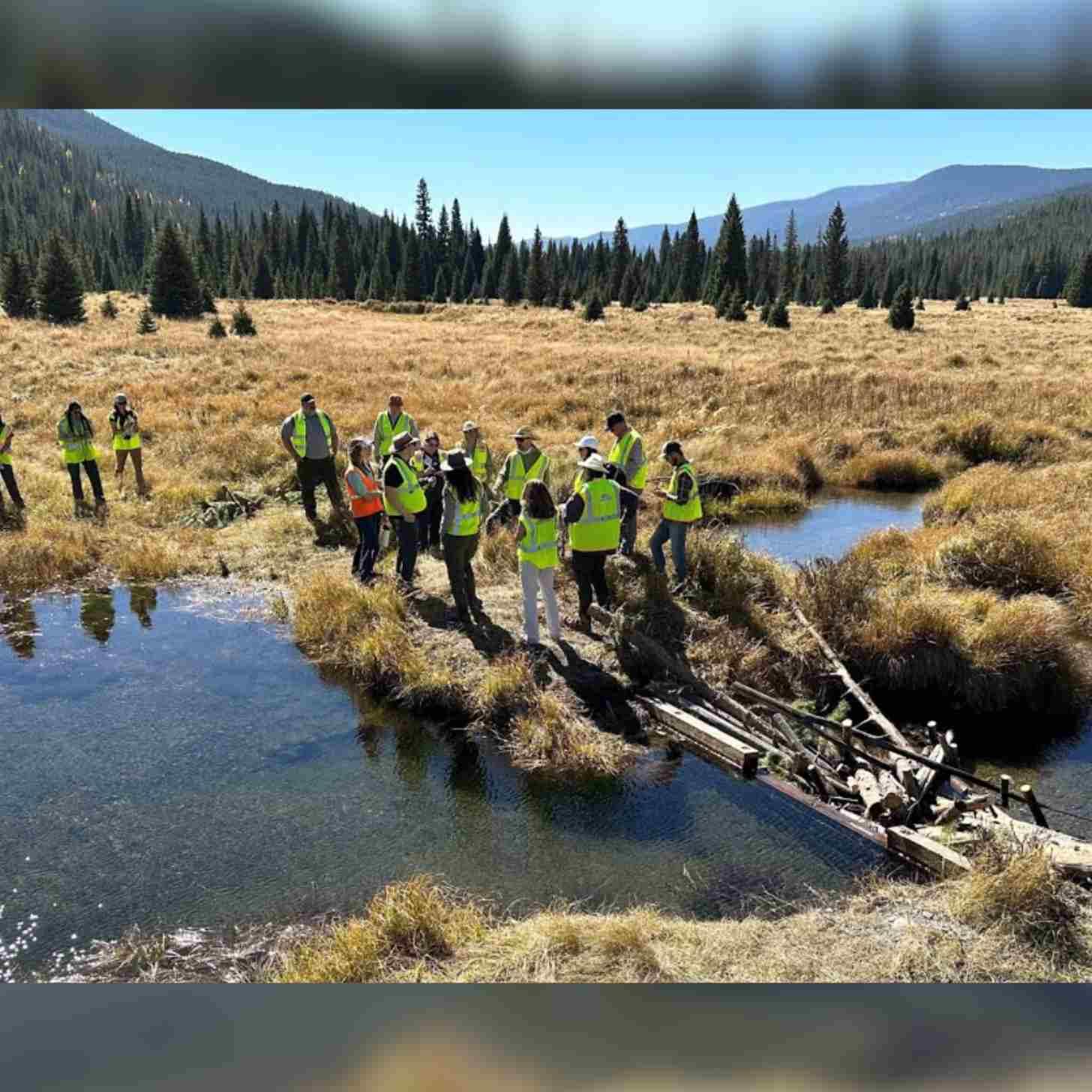
Colorado Scientists Step In as ‘Human Beavers’ to Save Damaged Valley
In Colorado’s Kawuneeche Valley, nature is out of balance. Once a thriving wetland ecosystem, the western stretch of Rocky Mountain National Park is now struggling—overgrazed by moose and abandoned by the beavers that once kept the landscape healthy. The problem has gotten so bad that beavers can’t return on their own. So a team of scientists is stepping in to do the work themselves—literally. “We’re trying to jump-start it,” said Jeremy Shaw, a research scientist at Colorado State University. “Our play here is to give them the best habitat we can, and then hopefully they build up their population.” Shaw is leading a project to build 29 man-made structures known as beaver dam analogs (BDAs). These simple, low-tech barriers mimic the way beavers shape rivers and streams—slowing water flow, creating ponds, and recharging the soil. The hope is that these artificial dams will create the kind of wetland conditions that might convince beavers to return and take over the job themselves. The idea isn’t new. Scientists in Oregon pioneered this approach in the early 2000s, building 100 BDAs that ended up inspiring real beavers to return and build their own dams nearby. Great Basin National Park tried a similar program with impressive results: it helped stabilize streambanks, protect endangered cutthroat trout, and bring native beavers back to the area. In Kawuneeche Valley, the stakes are high. The moose population has exploded in recent years, heavily grazing on willows and other plants that beavers rely on for food and building material. Without those plants, the beavers left. Without beavers, the valley’s wetlands dried up, leading to erosion, lower water quality, and habitat loss for countless other species. According to Shaw, the landscape is now “too far gone” for nature to recover without human help. The restoration effort is also about more than wildlife. Kimberly Tekavec, a source water protection specialist, says these beaver-style dams are good for people, too. “There are so many benefits that this project serves,” she said. By re-saturating the valley’s soils and slowing water flow, the BDAs help protect clean drinking water for more than one million Coloradans. If it works, the project could mark a new chapter for Kawuneeche Valley—where real beavers might one day reclaim their role, and the ecosystem can begin to heal itself once again.

Score (97)
Clever Cow Uses Tools in Astonishing Scientific First
Tool use has long been considered one of the defining traits of intelligence. It’s why chimpanzees, crows, and even octopuses get high marks in the animal smarts department. But cows? They’ve never really been in the conversation — until now. A Swiss Brown cow named Veronika has just joined the ranks of animals known to use tools deliberately, and not just in a one-off fluke. In a series of experiments, Veronika showed that she doesn’t just know how to use tools — she knows how to adapt them based on the task and context. Her abilities are now documented in a new study published in Current Biology. “The findings highlight how assumptions about livestock intelligence may reflect gaps in observation rather than genuine cognitive limits,” said Alice Auersperg, a cognitive biologist at the University of Veterinary Medicine Vienna. Veronika’s not your average cow. She lives in Austria as part of the family of farmer and baker Witgar Wiegele, who’s been watching her use sticks to scratch itches for more than a decade. To him, it wasn’t news — just Veronika doing her thing. But when Auersperg and fellow researcher Antonio Osuna-Mascaró came across video footage of her behavior, they realized something else might be going on. “When I saw the footage, it was immediately clear that this was not accidental,” said Auersperg. “This was a meaningful example of tool use in a species that is rarely considered from a cognitive perspective.” Curious to see how far this behavior could go, the researchers designed a simple test using a deck broom — stiff bristles on one end, smooth handle on the other. They ran 70 randomized trials across seven sessions, giving Veronika access to the broom in different orientations. The results stunned them. Veronika used the broom to scratch herself 76 times. She didn’t just consistently use the bristle end as predicted — she used both ends, depending on the sensitivity of the area. Her tough-skinned back and sides got the stiff bristles; her belly, udder, and rear got the gentler handle. Not only that, she adjusted her movements based on the tool’s end — broad strokes with the brush, more precise motions with the handle. This behavior, the researchers say, is a rare example of what’s called multipurpose tool use. Outside of humans, only chimpanzees have been consistently observed using one tool in multiple ways for different functions. Because Veronika uses tools on her own body, researchers call this “egocentric” tool use — generally considered less complex than tool use aimed at external objects. But what makes her case remarkable is how she adapts her technique, grip, and movements despite having only her mouth to work with. “She faces clear physical constraints,” said Osuna-Mascaró. “What is striking is how she compensates for these limitations, anticipating the outcome of her actions and adjusting her grip and movements accordingly.” The fact that it took a pet cow in a non-industrial setting to reveal this kind of behavior also raises questions about what we don’t see in livestock. Veronika is 13 years old, an age few cows in farm environments reach. She lives in close contact with humans, is closely observed, and has access to a variety of objects to experiment with — conditions that are rarely present in typical cattle operations. “We suspect this ability may be more widespread than currently documented,” said Osuna-Mascaró. “We invite readers who have observed cows or bulls using sticks or other handheld objects for purposeful actions to contact us.” So the next time someone calls you a cow, maybe take it as a compliment. Especially if you’ve figured out how to wield a broom.

Score (95)
Arizona teen drops 100 points in a high school game — and now the basketball world is watching
Adrian Stubbs didn’t start the week as a top recruit. He’s not in the SportsCenter Next 100, and he’s not on the radar for major NIL deals. But he may have changed that — in just three quarters of basketball. Stubbs, a 5-foot-10 senior guard from Maryvale High School in Phoenix, made state history on January 13 by scoring 100 points in a single game, leading his team to a 109–25 win over Yuma Kofa. The performance shattered Arizona’s previous high school record of 75 points, set in 1966. Even more shocking: 70 of those points came in the first half. “My mindset is always the same for every game and that’s to kill and do whatever to win,” Stubbs said. “In this one, shots were falling more than usual and my teammates realized I was on pace to get the 100 so they kept feeding me the ball.” Stubbs hit the milestone before the fourth quarter even began. Since then, life off the court has changed dramatically. He’s picked up thousands of social media followers, received hundreds of congratulatory messages, and even caught the attention of former NBA stars. One notable interaction came from Richard Jefferson, who left a comment on Stubbs' post. “Yeah, it’s been pretty crazy,” Stubbs said. “I never thought life would be this way. Just everything from more people following me, lots of likes and a lot of people congratulating me.” There’s even been autograph requests — something Stubbs has been preparing for since he was a kid. “Ever since I was younger, I just imagined signing autographs for people one day, so I always practiced,” he said. “These have been my first round of autographs, and it’s been pretty cool.” While Stubbs isn’t yet being courted by basketball’s biggest blue-blood programs, interest is starting to build. Pepperdine, Pacific, Northern Arizona, and Southern Utah have all expressed early interest. For Stubbs, the performance isn’t a finish line — it’s a launchpad. “It’s obviously a great accomplishment, but I just want to stay in a mindset of getting better,” he said. “I don’t necessarily want to top it or anything. I definitely want to keep winning and picking up interest from colleges for myself and my teammates.” Stubbs may not be a household name yet, but after a night like that, it’s likely only a matter of time.

Score (97)
Implanted Nerve-Stimulating Device Offers New Hope for Patients With Severe Depression
For people with the most severe forms of depression, where medication and therapy fail to bring relief, a new study offers a reason to hope. Researchers at Washington University School of Medicine in St. Louis have found that a small implanted device, which stimulates the vagus nerve, can lead to long-term improvements in mood, daily functioning, and quality of life. The findings, published January 13 in the International Journal of Neuropsychopharmacology, are part of the ongoing RECOVER trial — a large, federally approved clinical study funded by medical device company LivaNova USA. The trial tracked nearly 500 adults with treatment-resistant depression, a condition that affects up to a third of patients who don’t respond to conventional treatments and often persists for decades. “This is one of the sickest groups of depressed patients ever studied in a clinical trial,” said lead author Dr. Charles Conway, a professor of psychiatry and director of the Treatment Resistant Mood Disorders Center at WashU Medicine. “There is a dire need to find effective treatments for these patients, who often have no other options.” Participants in the trial had been living with depression for an average of 29 years and had already tried about 13 treatments — including electroconvulsive therapy (ECT) and transcranial magnetic stimulation (TMS) — without success. The therapy being tested, known as Vagus Nerve Stimulation (VNS), involves surgically implanting a small device in the chest that sends electrical signals to the left vagus nerve, a key communication line between the brain and internal organs. Though VNS is already approved for epilepsy, its use in depression remains limited, in part due to cost and lack of insurance coverage. In the trial, all participants received the device, but only half had it activated in the first year so researchers could compare outcomes. The results showed that patients with active devices experienced more time in improved mood states, better daily functioning, and higher quality of life. The primary depression rating scale used in the study didn’t show a statistically significant difference between the active and inactive groups after one year, but that didn’t tell the whole story. In a new two-year analysis focusing on the 214 participants who had active devices from the start, the improvements not only persisted — they grew. By the end of the first year, 69% of these patients showed meaningful improvement in at least one measure. Among those who improved, more than 80% maintained or enhanced their gains into the second year. Of those who had what researchers called a “substantial” response — a 50% or greater reduction in symptoms — 92% continued to benefit at the two-year mark. One in five patients reached full remission after two years, meaning they were essentially symptom-free and able to return to normal daily life. “We were shocked that one in five patients was effectively without depressive symptoms at the end of two years,” Conway said. “These results are highly atypical, as most studies of markedly treatment-resistant depression have very poor sustainability of benefit. We’re seeing people getting better and staying better.” Even among participants who didn’t respond in the first year, nearly one-third reported benefits by the end of the second year — suggesting that VNS may take longer to work for some individuals. Relapse rates were also low, particularly among the strongest responders. Unlike fast-acting treatments like ketamine, which may wear off quickly or need repeated dosing, VNS seems to offer a slow but steady path to recovery. Conway said even modest improvements can make a significant difference for patients who are “paralyzed by life,” unable to perform basic daily tasks or hold jobs. Roughly three-quarters of the study participants were unemployed due to the severity of their depression. Making the therapy more accessible could be life-changing, but right now, insurance coverage is a major hurdle. One of the RECOVER trial’s goals is to provide evidence that could lead the U.S. Centers for Medicare and Medicaid Services (CMS) to expand coverage for VNS. That decision would likely influence private insurers as well. The device, made by LivaNova, costs several thousand dollars, and without coverage, most patients can’t afford it. If CMS approves broader reimbursement based on the trial data, it could make VNS therapy a realistic option for many more people. “This is not a miracle cure,” Conway said. “But it is a real, durable option for people who have tried everything else.” The RECOVER trial continues to collect long-term data, and researchers hope it will ultimately change how treatment-resistant depression is understood and managed — not just as a dead-end diagnosis, but as a condition that, with the right tools, can be treated more effectively over time.