






Scroll For More






Score (97)


How Traditional Indigenous Beading Practices Are Helping Kids Learn Math
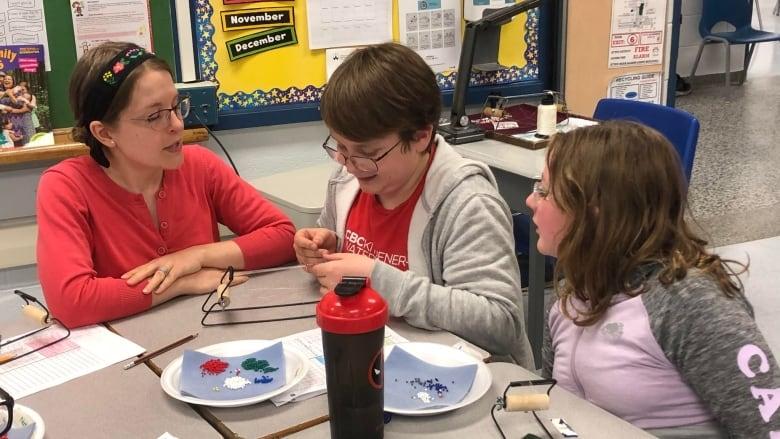
An elementary school initiative that merges math with Indigenous practices is spreading across Canada, led by Métis knowledge keepers. The project, called First Nations and Métis Math Voices, aims to make math meaningful for all students. Students in Guelph recently created bracelets using loom beading techniques under the guidance of three Métis knowledge keepers. The collaboration not only teaches math concepts but also emphasizes creativity, cultural teachings, and building relationships with community partners.


Score (87)
A Legendary Broadcaster Just Returned To Calling College Basketball After a Battle With Cancer
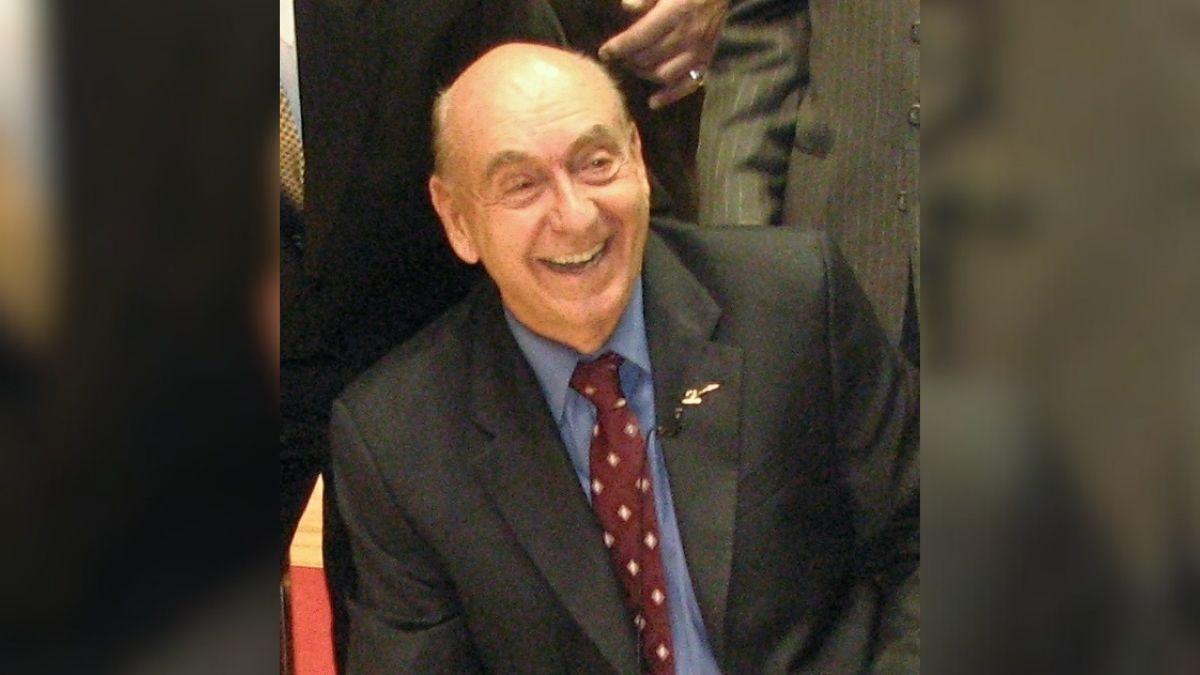
College basketball has changed plenty, but one familiar voice is back on the call. After a years-long fight with several types of cancer, Dick Vitale has returned to the headset for the 2025-26 season and is back to calling games with something close to his usual rhythm. For a long stretch, that did not look possible. The 86-year-old went through periods when he could not talk, leaving him unable to use the catchphrases that made him one of the sport’s most recognisable broadcasters. Now, Vitale is cancer-free and back working on games. “I'm still doing games,” Vitale told USA TODAY Sports. “It's a miracle. It's absolutely a miracle. I get emotional about it sometimes.” Vitale spoke with USA TODAY Sports as part of his partnership with Planet Fitness. The promotion is tied to helping college basketball fans handle the excitement and intensity of March Madness, with the company’s black card pitched as a way to help with recovery because it “is really important in your life.” Recovery has been a major part of Vitale’s past two years. He had three battles with cancer in that span, which kept him away from the sport he has long said he loves. He said getting back took time. “I've had to recover quite a bit,” he said. “It's been a tough ride.” In a text conversation with USA TODAY Sports in March 2024, when he still could not speak, Vitale set a goal of calling games in the 2024-25 season. He got there, returning to the booth in February 2025 for Duke’s game against Clemson. USA TODAY Sports described that night as incredibly emotional. But Vitale was not ready to leave it there. After calling more than 1,000 games, he signed an extension with ESPN in June that runs through the 2027-28 season. The deal means he is still going as he approaches 50 years with the company. He did not call games every week this season, but he made it through the full year. Vitale worked the opener between Duke and Texas and the regular-season finale between Kentucky and Florida. His schedule will continue into the NCAA Tournament. Vitale will work as an analyst for the First Four and call the second game on Tuesday, March 17, alongside Brian Anderson and Charles Barkley. USA TODAY Sports reported that, while Vitale has covered the Final Four on radio, this will be his first time serving as a TV analyst for an NCAA Tournament game. “I always believe in one thing, that if you think positive and have faith, and you got good people,” Vitale said, “a lot of good things are going to happen.” With March Madness here, Vitale said he is already looking ahead to what he called “a wild time of the year.” He told USA TODAY Sports it is too early to say how the bracket will play out because the matchups are not set yet, but he said teams playing well heading into Selection Sunday can shape how far they go in the tournament. Vitale pointed to Duke, Arizona, Michigan and Florida as likely No. 1 seeds. “The team's up on top, the heavyweights, they're going to be tough to beat,” Vitale said. “Duke right now is playing incredible. So is Florida, so is Michigan, so is Arizona, Connecticut.” He also highlighted Miami (Ohio), which USA TODAY Sports said is the only undefeated team in the country. The RedHawks have become part of a debate over the NCAA Tournament field, with questions about if the mid-major would get in without winning the Mid-American Conference tournament because of its resume. Vitale said Miami (Ohio) should make the field regardless. “If they're denied an opportunity to play, it would be criminal, because those kids have earned the right,” Vitale said. “We have a tendency to go for mediocrity out of the elite conferences, teams with 11, 12, 13 losses. But because they play a tougher schedule, they get the edge. All the metrics that are done in picking teams really favor all the elite conference teams.” For Vitale, the return to March is personal as much as professional. After a long stretch away, he is back in the sport during its busiest month and still doing the job he wanted to return to. “I really love what I'm doing. I think when you love something and have a passion for it, it's really super,” he said. 📸 credit: Dave Hogg, CC BY 2.0 https://creativecommons.org/licenses/by/2.0, via Wikimedia Commons

Score (97)
NASA Plans To Grow Chickpeas On The Moon In Historic Experiment
The Moon mission plans are getting closer, and scientists are already working through a basic question for the astronauts who go there: what will be on the menu? New research from The University of Texas at Austin suggests chickpeas could be part of it. In a recent experiment, scientists successfully grew and harvested chickpeas using simulated "moon dirt," the first time the crop has been produced in a material designed to mimic lunar soil. The research was carried out with collaborators from Texas A&M University and published in the journal Scientific Reports. Sara Santos, the project's principal investigator, said the work is aimed at a practical problem on the lunar surface. "The research is about understanding the viability of growing crops on the Moon," said Santos, who is a distinguished postdoctoral fellow at the University of Texas Institute for Geophysics at the Jackson School of Geosciences. "How do we transform this regolith into soil? What kinds of natural mechanisms can cause this conversion?" Lunar regolith is the dusty material that covers the Moon's surface. Unlike soil on Earth, it does not contain microorganisms or organic matter that plants depend on to grow. Regolith does include minerals and nutrients that plants can use, but it also contains heavy metals that may harm plant development. To test how crops might grow in those conditions, the researchers used a simulated lunar soil produced by Exolith Labs. The mixture is designed to closely resemble the composition of moon samples brought back during the Apollo missions. The team then tried to improve the growing environment by mixing the simulated moon dirt with vermicompost. This nutrient rich material is created by red wiggler earthworms as they digest organic waste. Vermicompost contains plant nutrients and a diverse microbiome that supports plant health. The researchers said that in a space mission setting, worms could generate compost from discarded materials such as food scraps or cotton clothing and hygiene products that would otherwise be thrown away. Before planting, the scientists coated the chickpea seeds with arbuscular mycorrhizae fungi. These fungi form a symbiotic relationship with plants. They help plants absorb key nutrients and reduce the amount of heavy metals taken up from the soil. Santos and her team planted the chickpeas in different mixtures of simulated moon dirt and vermicompost. The results showed the plants could grow successfully in mixtures containing up to 75 percent simulated lunar soil. When the amount of moon dirt went above that level, the plants showed stress and died sooner. Even under those conditions, the plants treated with fungi survived longer than those that were not inoculated. The researchers said this showed how important the fungi were in supporting plant growth. They also found the fungi were able to establish themselves in the simulated lunar soil. That suggests they might need to be introduced only once in a real lunar farming system. The study comes as NASA prepares for the Artemis II mission and a renewed push to explore the Moon. The researchers said the findings mark a step toward understanding how crops might be grown there, but they also said key questions still need answers before chickpeas could become food for astronauts. Scientists still need to determine if the plants absorb harmful metals from the soil and if the chickpeas provide the nutrients astronauts would need. "We want to understand their feasibility as a food source," said Jessica Atkin, the first author on the paper and a doctoral candidate in the Department of Soil and Crop Sciences at Texas A&M University. "How healthy are they? Do they have the nutrients astronauts need? If they aren't safe to eat, how many generations until they are?" The project was originally funded by Santos and Atkin themselves. It has since received additional support through a NASA FINESST grant, which will help advance research on growing food for future missions to the Moon. 📸 credit: AI/ScienceDaily.com

Get even more good news on the free app!

Score (97)
New Study Finds This Simple Drink Choice Helps Gamers Stay Focused For Hours
For anyone trying to stay sharp through hours at a screen, the latest suggestion is pretty simple: reach for sparkling water. A new study led by researchers from the University of Tsukuba in Japan found sparkling water outperformed still water in helping casual esports players maintain attention and reduce fatigue during long gaming sessions. The researchers looked at a familiar problem for gamers. To keep concentration and alertness up over long stretches, many turn to coffee or energy drinks loaded with caffeine. The study team wanted to test a healthier option and see if sparkling water could help. The experiment involved 14 casual gamers, who played virtual soccer for three hours on two separate occasions. In one session they drank plain water. In the other, they drank sparkling water. The researchers then compared several measures, including reaction times, pupil size as an indicator of fatigue, physical stress and players' own reports of tiredness. Sparkling water came out ahead. "Compared to plain water, sparkling water significantly attenuated increases in subjective fatigue, enhanced enjoyment, and preserved executive function, along with preventing pupil constriction," the researchers wrote in their published paper. They also reported no difference in some other physical measures. "Heart rate, blood glucose, and salivary cortisol levels did not differ between conditions." The study was based in part on an existing hypothesis about carbonation and cognition. According to the source text, sparkling, or carbonated, water has already been shown to improve performance in some cognitive tasks. Researchers think the carbon dioxide in the drink may act on sensory receptors in the mouth known as transient receptor potential, or TRP, channels, which may increase brain arousal. This study did not test that mechanism directly. But the findings add to evidence that carbonated water may improve cognitive function in at least one real-world setting, such as prolonged gaming sessions. The benefits did not appear to come at the expense of game performance. Players said they felt more alert and focused when drinking sparkling water, and the researchers also saw signs they had better control over their virtual teams. "Notably, players committed fewer in-game fouls with sparkling water, while offensive and defensive performance remained unchanged," the researchers wrote. They said the overall pattern matched what they had expected to see. "These findings demonstrate that sparkling water contributes to alleviating both subjective and objective signs of cognitive fatigue during prolonged esports play, consistent with our hypothesis." The researchers also pointed to uses outside gaming. The source text says there are many modern activities people try to do while tired, including driving and late-night office work. A healthier drink option that may help focus could appeal beyond esports. Still, the paper comes with an important caveat around funding. The study was partly funded by a soft drinks company that makes sparkling water, including the brand used in the experiments. Two of the study's authors also work for that company, which could benefit if sparkling water gains a higher profile. The authors collectively said the funding sources had "no involvement" in the study design, data collection, data analysis or data interpretation. They also said the writing of the study and the decision to publish were made independently. The findings may prompt gamers to try sparkling water the next time they need to stay focused for a long stretch, but the study did not compare the drink directly with coffee or energy drinks. The researchers said more work is needed to test sparkling water against a wider range of drinks and in a broader group of people. They also said more detailed research could examine the biological effects behind the results. "The physiological mechanism underlying the observed effects of sparkling water was not directly examined," the researchers wrote. "While we discussed that carbonation-induced stimulation of pharyngeal TRP channels contributed to the effect, this was not examined directly." They said answering that question would need a different type of research. "Investigating this would require foundational studies, distinct from applied research in esports contexts, using approaches such as pharmacological interventions or TRP knockout animal models." The research has been published in Computers in Human Behavior Reports.

Score (97)
Italy Shocks USA in World Baseball Classic with Dugout Kisses and Espresso Shots
Team Italy has found its own way to mark a home run, and it comes in a tiny cup. At the World Baseball Classic, the team has turned espresso into a dugout ritual. After a player goes deep, he gets handed a shot of coffee instead of a jacket or a string of handshakes. The espresso machine has been part of Italy’s setup since 2023, according to MLB.com, and it is still going strong as the team opens this year’s tournament 3-0. Team USA felt the effect Tuesday night in Houston, when Italy beat the Americans 8-6 in Pool B play at Daikin Park. Italy had already beaten Brazil 8-0 and Great Britain 7-4 on Sunday. Against the United States, catcher Kyle Teel, shortstop Sam Antonacci and right fielder Jac Caglianone all homered. Team captain Vinnie Pasquantino met each of them with a shot of espresso, then kissed them on each cheek. Italy manager Francisco Cervelli said the coffee celebration is no gimmick. "It’s something normal,” Cervelli said. “We got it on the bus. We’ve had it in the dugout, everywhere." Cervelli also said the tradition connects players to their ancestry. "In Italy, we drink coffee about 20 times a day," Cervelli, a former MLB catcher who won a World Series with the Yankees in 2009, said. "It’s a tradition. You’re walking down the road. You see a coffee spot, get some coffee. Then you chitchat, and then keep walking and do the same thing all over and over again. That’s how Italy is." Drinking hot coffee in a humid Houston dugout might seem unusual, but for Italy, it has become routine. The win over the United States put Italy in a strong position, playing Puero Rico in the quarter finals on Saturday. For now, Italy has the wins, the momentum and the espresso machine in the dugout.
%3Afocal(2730x1794%3A2731x1795)%2Fhttps%3A%2F%2Ftf-cmsv2-smithsonianmag-media.s3.amazonaws.com%2Ffiler_public%2F4a%2F66%2F4a660f91-c0ae-4f2f-b90f-645ca3e94d3e%2Fgettyimages-2257874702.jpg&w=3840&q=75)
Score (97)
Pokémon Fossil Museum Draws Huge Crowds And Overwhelms Ticket Sales In Chicago
It did not take long for ticket buyers to jam the line. When tickets for the “Pokémon Fossil Museum” went on sale on March 3, thousands of fans logged on at the same time and overwhelmed the Field Museum’s website, NBC Chicago’s Izzy Stroobandt reported. At one point, more than 23,000 people were waiting in the virtual line for tickets. Chicagoan Genevieve Bookwalter was one of them. She eventually got tickets for her family, but only after waiting in a virtual line for eight hours, according to the Chicago Sun-Times’ Stefano Esposito. She said she knew the exhibition would be popular, but “didn’t expect it to be so crazy.” “This isn’t Taylor Swift,” she says. “This is Pokémon at the Field Museum.” The museum acknowledged the demand in an Instagram post and said it was troubleshooting issues with its ticketing platform. “Thank you all for your patience,” museum officials wrote in the post. “Even with additional web infrastructure, our site was overwhelmed from the enthusiastic response from all of you.” According to the museum, tickets from the initial batch are still available, and more will be released on a rolling basis. Fans need a separate timed-entry ticket for the exhibition, along with a general admission ticket for the museum. The exhibition opens in Chicago on May 22. It was created by the Field Museum, Japan’s National Museum of Nature and Science, and the Pokémon Company International. After debuting in Japan in 2021, the Chicago run marks the first time the show will be staged outside the country. The experience pairs creatures from the Pokémon video games, animated series and trading cards with the real fossils that inspired them. Visitors will see “fossil Pokémon,” including Tyrantrum and Archeops, displayed alongside real fossils and casts of dinosaurs and other creatures. The casts on view include Sue, a 40-foot-long Tyrannosaurus rex, and the Chicago Archaeopteryx, a fossil that sheds light on the evolution of birds. The exhibition also uses characters from the franchise and museum staff as guides. “Professors” from Pokémon and “Excavator Pikachu” will lead visitors through the show. Illustrations of Field Museum scientists, including chief fossil preparator Akiko Shinya, will also help guide people through the exhibition. Shinya said her favorite fossil Pokémon is Shieldon, which she compares to ceratopsids, a group of beaked, plant-eating dinosaurs that often had frills and horns on their heads. “Baby ceratopsids would’ve had shorter, narrower frills than adults’ broader, squared versions, kind of like the differences you see when Shieldon evolves into Bastiodon,” Shinya says in a statement. In a statement announcing the exhibition last year, Jaap Hoogstraten, the Field Museum’s head of exhibitions, said Pokémon sparks interest among fans in a way that connects with the museum’s work. Pokémon, created in 1996, stokes fascination and curiosity among fans “much in the same way the Field Museum encourages wonder and learning for its visitors,” Hoogstraten said. “Aligned with the Field Museum’s mission to connect us to the natural world, the ‘Pokémon Fossil Museum’ will inspire visitors to make new discoveries about some of their favorite Pokémon while offering a pathway to science, especially budding paleontologists,” he added. “Pokémon Fossil Museum” will be on view at the Field Museum from May 22, 2026, to April 11, 2027.

Score (96)
The Bank Of England is Set to Put Nature On New Bills After a Public Vote
More than 26,000 people have voted to feature nature on UK sterling notes, replacing historical figures like Winston Churchill. This decision emerged from a public consultation conducted by the Bank of England, where nature was the top choice among 44,000 respondents, capturing 60 percent of the vote. The specific plants and animals to be depicted will be selected later this year. Scottish wildlife filmmaker Gordon Buchanan, part of an expert panel compiling the list of potential wildlife images, emphasizes the importance of this change. "Nature is more than just scenery," he told euronews. "It is the living thread that binds our landscapes, our history, and our future together." The new banknotes are expected to inspire wildlife conservation efforts while also enhancing economic security. Victoria Cleland, chief cashier at the Bank of England, explains that introducing a new banknote series aims to increase counterfeit resilience. "Nature is a great choice from a banknote authentication perspective," she adds, noting its potential for developing security features that are easy for the public to recognize. Ali Fisher, founder and director of sustainability consultancy Plans with Purpose, views this shift as significant. "This is a powerful reminder of how deeply people feel connected to and value British wildlife," she says. "It’s a beautiful opportunity to put biodiversity literally in all our hands." The theme of Architecture and Landmarks was the second most popular in the consultation at 56 percent. Other themes included Notable Historical Figures (38 percent), Arts, Culture and Sport (30 percent), Innovation (23 percent), and Noteworthy Milestones (19 percent). Wildlife presenter and activist Nadeem Perera highlights the cultural significance of this change. “The wildlife of the UK is not separate from our culture,” he states. “Giving it space on something as symbolic as our currency feels both overdue and significant.” The UK isn't alone in celebrating nature on its currency. Scottish notes already feature animals like mackerel and otters. Norway's krone series includes wave motifs alongside Atlantic cod and herring. Switzerland shifted away from famous personalities in 2016; its banknotes now showcase elements like wind and water. In addition to these changes in Europe, future euro banknotes might also spotlight nature by featuring birds and rivers across Europe. The European Central Bank is considering these designs following a contest for EU designers in 2025. Fisher believes such cultural shifts are important during challenging times. “In a cost‑of‑living, climate and nature crisis,” she says, “small cultural shifts like this matter.”

Score (98)
Altadena Musician Helps Fire Survivors Replace Lost Instruments
When Michelle Bellamy fled the Palisades Fire, one item pulled at her attention: Gretchyn, the acoustic Martin guitar a neighbor had given her years earlier, and the one she wrote all her songs on. She left it behind, thinking she would be back. Instead, the fire took the home she shared with her three children in January 2025. Months later, Bellamy got another guitar, this one from Pacific Palisades resident Abby Sher, who had stopped playing one of her “prized possessions.” The donation came through Altadena Musicians, a nonprofit started by composer Brandon Jay after the Eaton Fire destroyed his home and recording studio, along with the instruments he and his wife had collected. “The loss has led to this beautiful story,” Bellamy told USA Today, referring to the gift of “this amazing guitar that I’m forever grateful for from Abby.” Bellamy calls Jay a “matchmaker.” He has spent the months since the Los Angeles fires helping people replace instruments and audio equipment through donations. Jay said the idea took shape quickly after his own loss. No more than two weeks after the Eaton Fire started, he had a gig at Pasadena Neighbor Day. He posted on Facebook about the instruments he needed, and people he knew brought them to the show. That moment also sharpened what he wanted from replacement instruments. “I want to replace them with ones that I get from friends or from people in the music community,” Jay said. “I don’t want to just get some money from my homeowner’s insurance and then buy instruments that don’t have a story behind them, because it’s just going to make me sad that I don’t have the first guitar that I learned how to play on, or the harmonium that my mother-in-law gave us that my daughter wrote her first song on.” Altadena Musicians launched less than a month after the Eaton Fire broke out. Bellamy said she reached out over social media last year and heard back almost immediately. “And within 20 minutes after messaging them, Brandon texted me and was like, ‘Oh my God, I'm so thankful you messaged us,’” Bellamy said. She said Jay told her, “We've been looking for someone that lost a Martin that is the same description as the one you lost in the fire.” That led Bellamy to Sher. Jay said he likes donors and recipients to meet directly. When the two met in April 2025, they hugged, and Sher handed over the guitar, an instrument her brother had given her and one she had not played for years. “I would have sold it, as I had planned to,” Sher said. “But if I could help to restore her loss, that was the motivation for me in giving it,” she said. Altadena Musicians has also helped Sunny Lu, who lost her home and basement studio in the Eaton Fire. Lu narrates audiobooks, and on a Sunday in January, during an instrument drive for the nonprofit, she received an Apollo Twin X audio interface. Lu said the device allows for professional-level, quality sound output, and it was something she could not have justified replacing for herself anytime soon. “Because it's been donated and has its story, it also has been imbued with this new importance,” Lu said. “There's something about it reentering my life in this very special way where I feel like I need to give it the extra respect that it's due, because now I have like a duty and responsibility as the next, the next user, the next owner,” she said. The group has also inspired others. Gayle Nicholls-Ali, whose husband Rasheed Ali lost his recording studio in the Eaton Fire and who also lost her photography studio, said seeing Altadena Musicians pushed her to ask who was helping photographers. After talking with Jay in 2025 about how he built the group, she started Altadena Photographers, which also works to help people replace lost equipment through donations. Nicholls-Ali said that work also includes mental health support, connecting people to jobs, and helping with needs such as computers or access to a printer for photos. “We're thinking about holistically, how can we help beyond the camera gear?” Nicholls-Ali said. “How can we help?” Jay called her work “incredible.” Altadena Musicians launched an app in 2025 called Instrument Giving, described by the organization as a “wedding registry for musicians” that lets people list what they lost in the Los Angeles fires. Jay said he wants to expand it so people affected by disasters anywhere in the country can use it to replace lost instruments and equipment. He is also building something closer to home with the recently rebranded Altadena Music Center in Pasadena. Jay said the space has already hosted open mic nights, live music and a guitar repair evening. He plans to hold a grand opening later this year and said the site will also include a place for people affected by the fires to rebuild their record collections and a recording studio for community use. “The one super cool thing in all this is just people meeting each other and building a bigger music community, both people that are fire impacted and then other people that are just donating instruments and just meeting people that they're giving them to and staying in contact and coming and seeing them play live,” he said.

Score (97)
A Truck Driver Just Helped a Teen Pilot Land a Powerless Plane Safely On a Florida Road
What started as a routine flight for a 19-year-old pilot turned into an emergency landing on a busy Florida road, with help from a truck driver who stepped in as the plane lost power just minutes after takeoff. Niko Bray was flying a small single-engine plane with a passenger on Friday afternoon when the aircraft suddenly lost power. The plane was only a few hundred feet above the ground, leaving Bray with little time to respond. “I knew I was only about 500 feet off the ground, so I knew I was going down for sure,” Bray said. Bray scanned the area for a place to land. He first considered a nearby coastal road, but quickly decided it was too tight. He then turned toward a wider road and prepared to bring the plane down in the middle of afternoon traffic. A truck driver saw what was happening and helped clear the way. The driver slowed traffic and held vehicles back, creating a path for the plane as it descended. Bray landed the aircraft safely and no one was injured. The landing happened at about 2:30 p.m. and prompted multiple 911 calls from drivers who saw the scene. Emergency crews arrived soon after, but the plane was already on the ground and the emergency had ended safely. Bray said the full weight of what happened did not sink in until he saw his mother again afterward. “Very grateful for her. She’s funded my dreams of becoming a pilot,” Bray said. “I’m glad to be able to hug her again, for sure.” 📸 credit: CBS 12 News

Score (97)
This Miracle Berry Is Helping Cancer Patients Enjoy Food Again By Transforming Taste
For many people undergoing chemotherapy, one of the most frustrating side effects is losing the ability to enjoy food. But a small red fruit known as the miracle berry may be helping some patients rediscover the taste of their meals. The fruit, scientifically called Synsepalum dulcificum, is native to West Africa, where it is traditionally known as àgbáyun. It has a remarkable property: after eating the berry, sour foods can taste sweet. That unusual effect comes from a compound inside the fruit called miraculin. Researchers have found that when miraculin interacts with acidic foods, it activates the tongue’s sweet taste receptors. The result is an immediate shift in flavor perception, making sour foods taste sugary or mild. Scientists say this reaction can last about 30 to 40 minutes. While the berry itself does not treat cancer, it may help patients cope with a common chemotherapy side effect known as “chemo mouth.” Chemotherapy can alter taste in ways that make food unpleasant or even unbearable. Many patients report a persistent metallic or bitter flavor that makes eating difficult. “What patients report with chemotherapy is that they may develop a bothersome taste that could be described as metallic, rotten food,” said Mike Cusnir. Cusnir, who works at Mount Sinai Medical Center, has led early studies examining whether miracle berries can make food more palatable for chemotherapy patients. He explained that the berry does not prevent chemotherapy side effects or fight cancer directly. Instead, it helps restore the enjoyment of eating during treatment. For some patients, that can make a meaningful difference in daily life. Julie Ascen, who has been battling lymphoma, said the fruit has helped her reclaim something simple but important. “It is one of those miracles that, if you have this disease, you want to live your life and not have it control you,” she said. “And this lets it not control me; I can control myself.” Because miraculin breaks down quickly once the fruit is picked, miracle berries are often sold in freeze-dried form to preserve their effect. The plant can also be grown in certain warm climates. According to growers, parts of Florida provide conditions similar to the berry’s native West African forests, allowing it to thrive there. Outside of medical use, the fruit has also become popular as a novelty experience. People sometimes eat a miracle berry before tasting lemons or other sour foods, transforming their flavor into something surprisingly sweet. For cancer patients struggling with chemotherapy-related taste changes, however, the tiny fruit may offer something more meaningful: the ability to enjoy a meal again.

Score (63)
Scientists Discover Hedgehogs Hear Ultrasound, Paving Way for Road Safety Innovations
Hedgehogs may soon get some unexpected help avoiding cars thanks to a surprising discovery about their hearing. Scientists have found that hedgehogs can hear very high-frequency ultrasound, a finding that could lead to new technology designed to warn the animals away from roads and other dangers. The research, led by Sophie Lund Rasmussen and colleagues in Denmark, suggests that ultrasonic deterrents could one day help reduce the number of hedgehogs killed by vehicles. Across Europe, road traffic is believed to kill up to one in three hedgehogs. Those losses have contributed significantly to the animal’s steep population decline in recent decades. To understand the animals’ hearing abilities, researchers worked with 20 rehabilitated hedgehogs housed in wildlife rescue centres in Denmark. Using a technique called auditory brainstem response testing, scientists placed tiny electrodes on the animals to measure electrical signals travelling between the inner ear and the brain. They then played bursts of sound through a loudspeaker at different frequencies. The results were striking. The hedgehogs’ brains responded to sounds ranging from 4 to 85 kilohertz. That means the animals can detect ultrasound frequencies far beyond what humans can hear. Humans typically hear sounds only up to about 20 kilohertz, while dogs can hear frequencies up to roughly 45 kilohertz. To better understand why hedgehogs can detect such high pitches, the researchers also conducted micro-CT scans of a hedgehog ear. The scans allowed them to build a detailed three-dimensional model of the animal’s hearing structures. The model revealed several previously unknown features. Hedgehogs have unusually small and dense middle-ear bones, along with a partially fused joint connecting the eardrum to the first bone in the chain. This structure makes the ear’s mechanism stiffer, helping it transmit high-frequency sounds more efficiently. Similar traits are found in animals such as echolocating bats that rely on ultrasound to detect prey. The findings could lead to new safety tools. Researchers say it may be possible to develop ultrasonic repellers for cars, lawn mowers and garden equipment that would warn hedgehogs and encourage them to move away before danger approaches. Because hedgehogs can hear extremely high frequencies, engineers might be able to design signals that remain above the hearing range of most pets. “Having discovered that hedgehogs can hear in ultrasound, the next stage will be to find collaborators within the car industry to fund and design sound repellents for cars,” Rasmussen said. “If our future research shows that it proves possible to design an effective device to keep hedgehogs away from cars, this could have a significant impact in reducing the threat of road traffic to the declining European hedgehog.” The study was published in Biology Letters. If the technology proves successful, scientists say it could become an important tool in protecting one of Europe’s most beloved small mammals.