





Scroll For More






Score (96)


Toilet Paper Rolls Turned Green: Seed Starter Hack Sprouts Eco Savings
Looking to save money on gardening supplies? A clever TikTok hack shows how to repurpose empty toilet paper rolls as biodegradable seed starters. By using these DIY planters, you can avoid buying plastic trays and pots, saving both money and the environment. The simple process involves folding the rolls, filling them with soil, and planting seeds. Once the seedlings are ready, you can transplant them directly into the ground. This eco-friendly tip is gaining praise for its creativity and practicality.


Score (98)
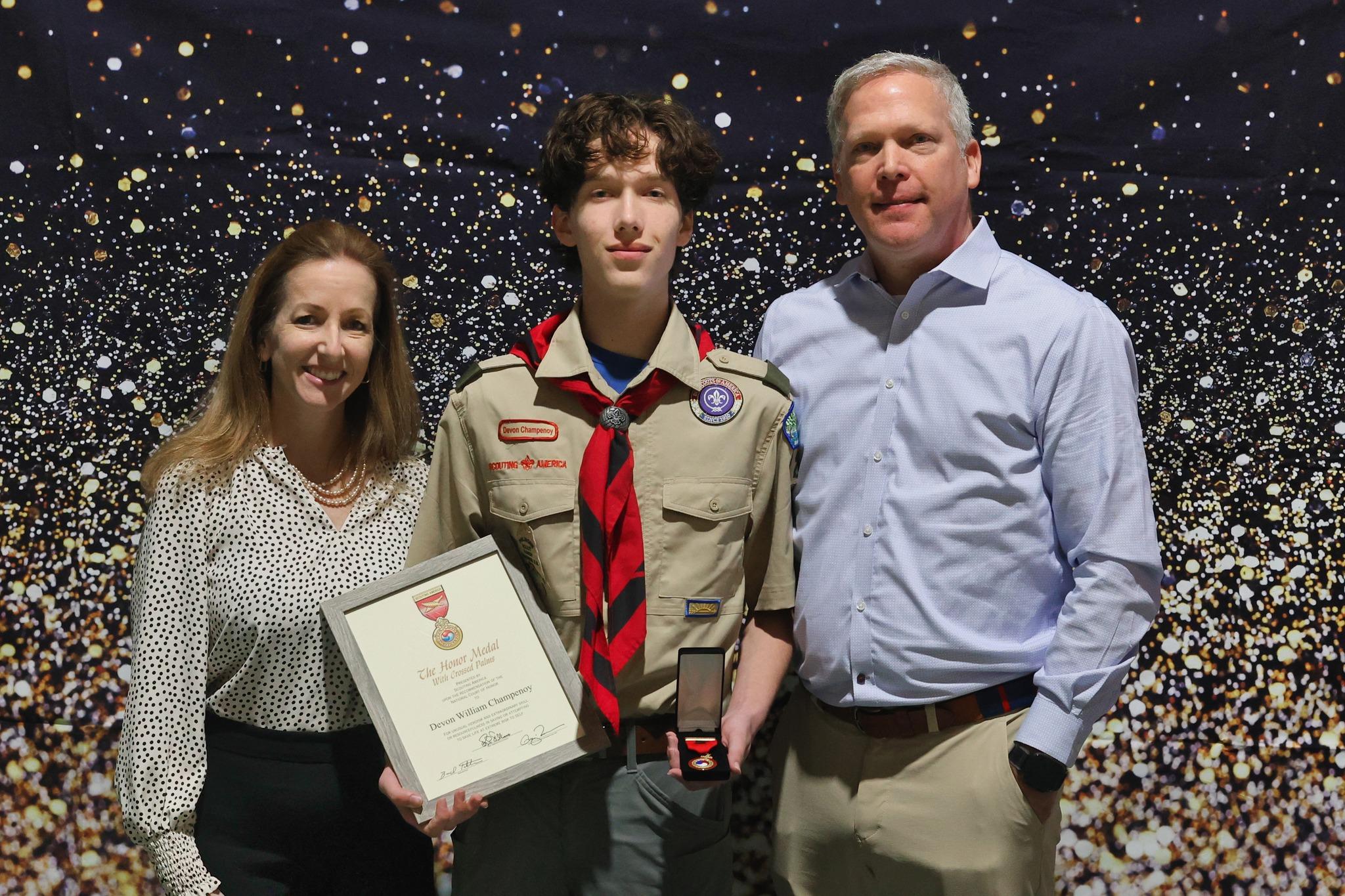
Teen Boy Scout Receives Rare Medal of Honor After Saving His Troop Leader On a Georgia River
What started as a summer rafting trip on a Georgia river ended with a Boy Scout saving his troop leader’s life, and two years later, that act has earned him one of Scouting America’s rarest awards. Devon Champenoy, now 15, received the Honor Medal with Crossed Palms this month, according to the Red Wolf District. CBS affiliate KHOU reported that fewer than 300 scouts have received the award in Scouting America’s history. The award recognizes what was described as Champenoy’s “unusual heroism and extraordinary skill” after a 2022 rafting trip near the Blue Ridge Mountains went wrong. “I didn’t feel it at the moment. It was just instinct,” Champenoy told KHOU of the risks he took to save Assistant Scoutmaster David Lemley. “It took a while for me to accept that I saved a life, but I think now I have,” he continued. According to KHOU, scouts in Troop 277 were at summer camp in northern Georgia when they went rafting on Class III rapids. Lemley was on a raft with Champenoy and other scouts when the group hit rough water. Lemley was thrown from the raft twice. The second time, he could not pull himself back in because his foot was stuck. “My waist and head were underwater,” Lemley told KHOU. “My head’s just bouncing off rocks.” For minutes, he struggled to breathe, according to the report. Champenoy then helped free Lemley’s foot and guided the raft to safety. In comments written in response to the Red Wolf District’s announcement, Lemley described what happened next. “Devon took control of the raft and, for the next 15 to 20 minutes, navigated the strong currents,” Lemley wrote, “while guiding several first-time campers (10 to 11 years old) safely through multiple sets of rapids until they reached calmer water.” KHOU reported that Lemley broke his foot during the incident. “There’s no doubt in my mind — had Devon not stepped in to free my foot, I was going to die,” Lemley told the outlet. The recognition Champenoy received this month is one few scouts ever get. The Red Wolf District announced the award as the Honor Medal with Crossed Palms, and KHOU reported that fewer than 300 have been given out in the organization’s history. The rescue happened when Champenoy was 13. He is now working toward becoming an Eagle Scout, according to the report. His account of the moment stayed simple. “I didn’t feel it at the moment. It was just instinct,” Champenoy told KHOU. “It took a while for me to accept that I saved a life, but I think now I have.” 📸credit: Red Wolf District Facebook
Score (97)
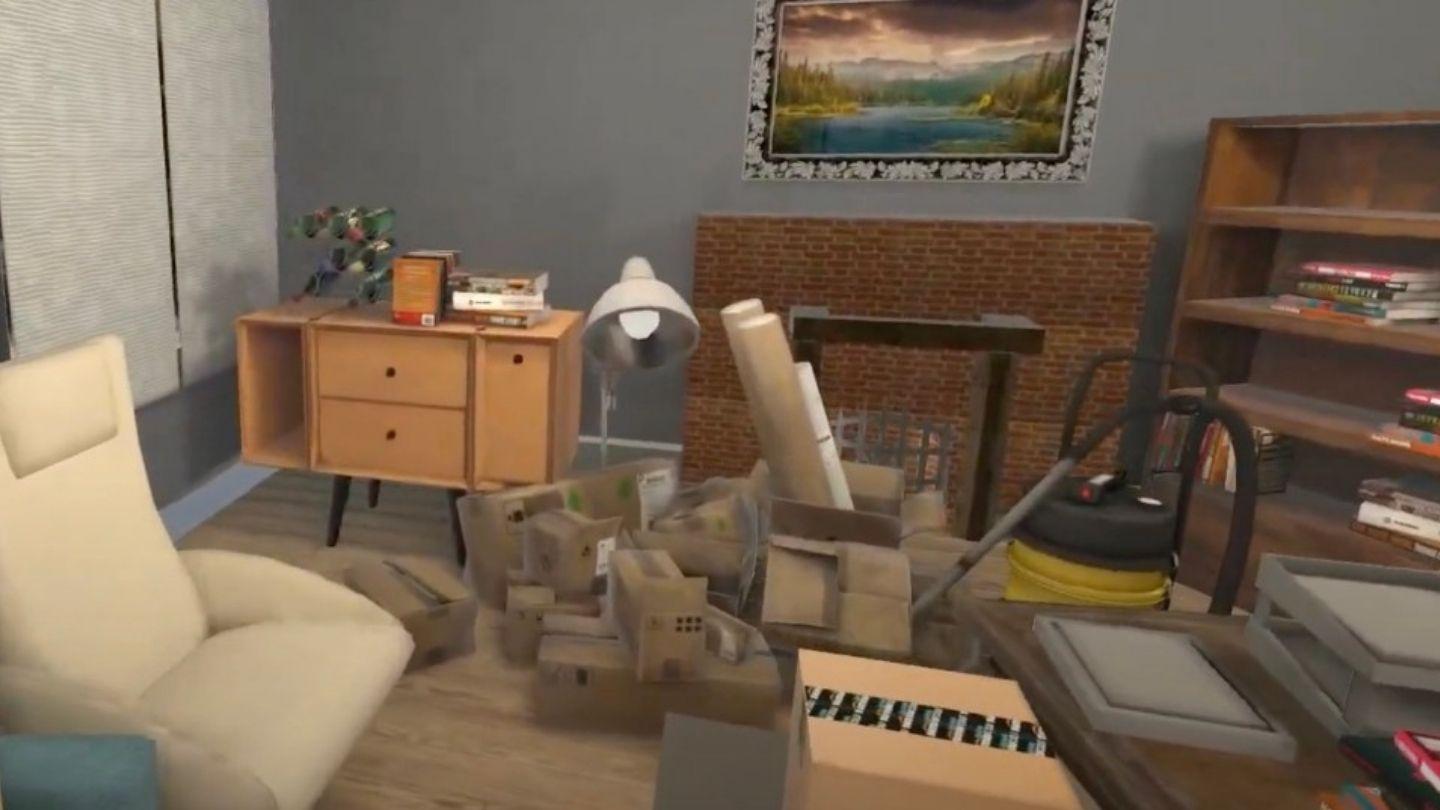
Virtual Reality is Helping People With Hoarding Disorder Let Go Of Clutter
For people with a hoarding disorder, throwing something away can feel overwhelming. A recent Stanford University study tested a new way to make that first step easier, by letting patients practice in virtual reality before doing it in real life. In the study, nine adults with diagnosed hoarding disorders created 3D virtual reality versions of their most cluttered rooms. All of the participants were over 55. With guidance from a clinician, the patients then spent weeks moving through the virtual space, handling virtual versions of their belongings and throwing them away. Carolyn Rodriguez, a professor of psychiatry and behavioral sciences and senior author of the study, said the virtual experience can act as “a kind of stepping stone,” or a less intense version of real-life discarding. “It's nice to be able to [practice] in a virtual space for people who experience considerable distress even attempting to part with possessions,” she said. The first-of-its-kind study ran for 16 weeks. During the first six weeks, each patient attended an online support group designed to help them build skills through cognitive behavioral therapy. From weeks seven to 14, participants practiced decluttering in their virtual room. By the end of the study, the majority of participants were able to part with the items in real life too. Rodriguez said the work also pushes back against common assumptions about hoarding disorder. “People tend to have a lot of biases against hoarding disorder and see it as a personal limitation instead of a neurobiological entity,” Rodriguez said. “We just really want to get the word out that there's hope and treatment for people who suffer from this. They don't have to go it alone.”
Get even more good news on the free app!
Score (98)
Texas Hiker Nears Finish Of 1,500-Mile Trail He Created Across The State
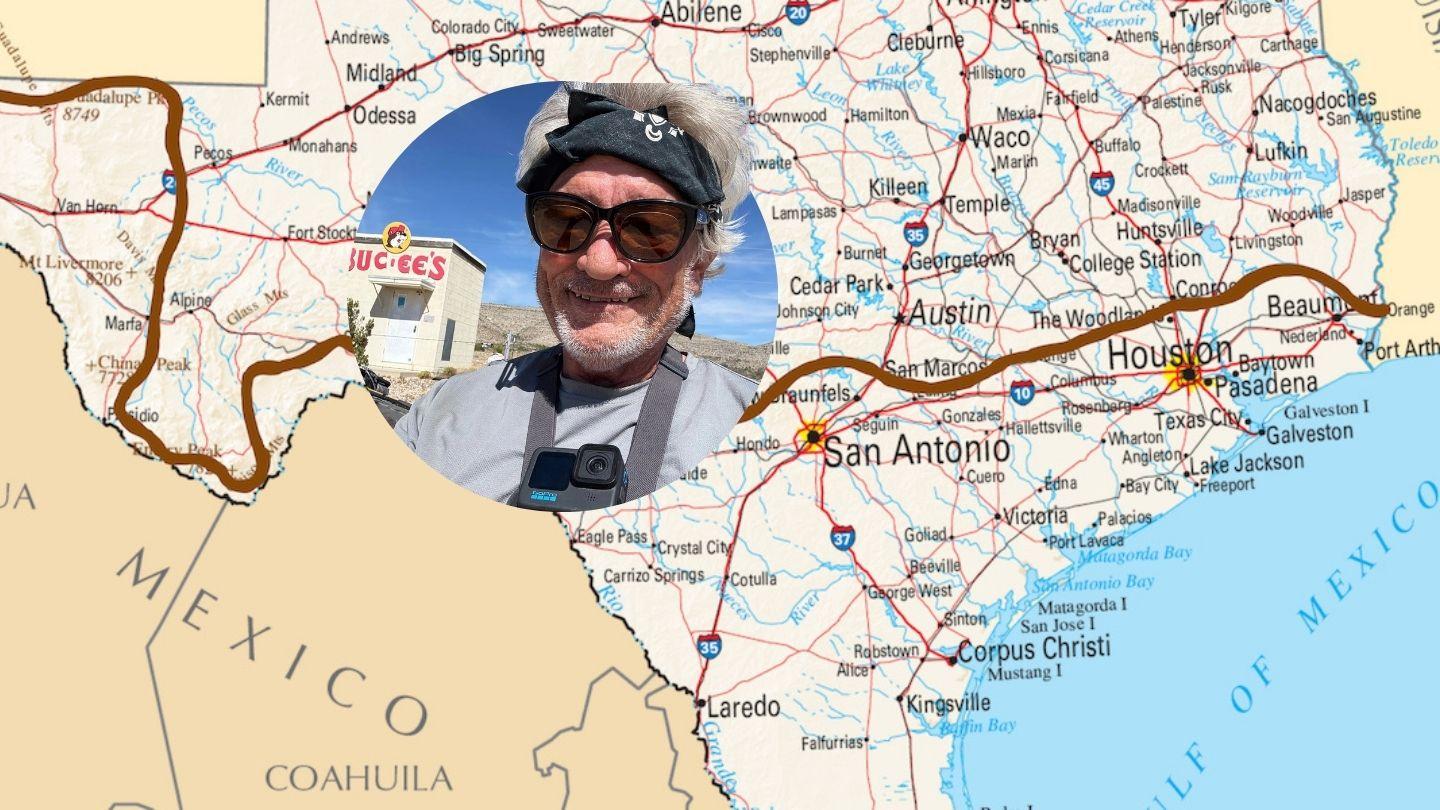
A new long-distance trail across Texas is about to get its first full walk. Charlie Gandy, 67, is set to become the first adventurer to complete the Cross-Texas Trail, or xTx, a 1,500-mile route he created across the state. Gandy and his two hiking companions are moving westward and are scheduled to arrive in El Paso, on the border with New Mexico, on March 31 after walking the full length of the route. Gandy also put $10,000 into the project as he worked to build the xTx into a route for hikers, cyclists and horseback riders. The trail launched as a project in August 2024. It is meant to be used in late fall, winter and early spring, when heat and water conditions are less harsh. Gandy said the idea came from the work of one person who helped turn two of the country’s best-known long-distance routes into major goals for hikers. “As a native Texan, I’m a 66-year-old guy who likes to challenge myself to big, hairy goals and adventures, and it seemed to me like it was time for Texas to have its own Pacific Crest-type adventure route,” Gandy told Fox News Digital. Building the route meant more than mapping a line across the state. Gandy’s work included finding sponsors and helping create an organization that could produce digital and printed information and publicize the trail nationwide. He also needed people willing to place water stations in desert areas. And because 96 percent of Texas land is privately owned, he needed landowners willing to let the route pass through their property. That part of the effort drew strong interest. Gandy and his chief partner in the project, the nonprofit advocacy group Bike Texas, received a flood of suggestions from Texans about where the route should go. Many invited the trail to cross their own land. In its current form, the xTx runs through rural Texas and links public paved, gravel and dirt roads. It passes near or through parts of 17 state parks and three national parks. Like the Appalachian Trail, Gandy said, the xTx will take years to reach its full potential. “We’re establishing a 1,500-mile seasonal late fall through early spring hiking, cycling, and horseback trail through the heart of true Texas. It’s the first of its kind for the state,” Gandy said in a statement from his current position around Toyah, Texas. The route Gandy is walking now has largely followed the original working path created for the full trail. His progress as he approaches the finish line can be tracked on the Ride with GPS website. The trail begins near Beaumont on Texas’s eastern border. From there, it heads through bayous and follows what was described as a more-or-less flat decline from the hills north of Houston. It then moves through a gap between San Antonio and Austin and includes a loop above New Braunfels. After that detour, the route climbs slightly north through the desert before dropping into Big Bend National Park in a large horseshoe curve. From there, it turns directly north to the highest peak in the state in the Guadalupe Mountains, then west to El Paso. The xTx is being presented as America’s newest long-distance hiking route, and Gandy is on pace to be the first person to walk it end to end. His trip also marks the latest stage in a project that only began last year. Since August 2024, the route has grown from an idea into a mapped seasonal trail that threads across public roads, private property access points, state parks and national parks. For now, Gandy remains the route’s creator and its first full-distance walker, closing in on the western end of the state after starting near Beaumont and crossing Texas on foot with two companions. “We’re establishing a 1,500-mile seasonal late fall through early spring hiking, cycling, and horseback trail through the heart of true Texas. It’s the first of its kind for the state,” Gandy told Fox News Digital.

Score (93)
Study Finds Bilingual Mothers Bond Just As Well With Toddlers In A Second Language
For parents raising kids in two languages, there is often a quiet question in the background. Does speaking a second language change the connection with a child? A new study from the UK says it does not. Researchers found that bilingual mothers and their toddlers showed the same level of neural synchrony during play in English as they did in the mothers’ native language. The study suggests that the brain-to-brain connection linked to bonding, communication and learning does not depend on native proficiency. The findings were published in Frontiers in Cognition. Neural synchrony, also called interbrain synchrony, is the simultaneous activity of neural networks across the brains of people who are socially interacting. It can happen while people are talking, learning, singing or working together. When brains are in sync, it can help strengthen emotional connection, improve communication and align attention. Researchers say this kind of synchrony is thought to matter for healthy bonding between parents and children. “Here we show that the brains of bilingual moms and their kids stay just as ‘in sync’ through neural synchrony irrespective of whether they play in the mom’s native language or in an acquired second language,” said first author Efstratia Papoutselou, a research fellow at the School of Medicine of the University of Nottingham. “This is an important finding because it suggests that using a second language doesn’t disrupt the brain-to-brain connection that supports bonding and communication.” The research team said the question matters because many children grow up in households where more than one language is spoken. In the European Union, the share of these “mixed households” rose from 8 percent to 15.6 percent between 2014 and 2023. The authors said the social, cognitive and academic benefits of growing up with more than one language are obvious. But they also wanted to test a possible drawback in parent-child communication and bonding. They noted that even highly proficient speakers often use an acquired language more slowly, with more pauses and corrections, especially in emotionally charged or cognitively demanding situations. “Second-language speakers often report a sense of emotional distancing when using their non-native language, which may influence how they express affection, discipline, or empathy in parent-child interactions,” wrote the authors. The study focused on 15 families in the UK. The children were aged between three and four and had been raised bilingually. English was not the mothers’ first language, but they had learned it at C1 or C2 level under the Common European Framework of Reference for Languages. Each mother and child visited a research clinic and sat at a table with toys. Both wore a functional near-infrared spectroscopy, or fNIRS, cap. The device measured changes in oxygen concentration across the brain’s blood vessels, which the researchers used as a proxy for neural activity. The pairs then played in three different situations, presented in random order. In one, they played together in the mother’s native language, as they would at home. In another, they played together only in English. In the third, they played silently and independently with a screen between them. The measurements showed statistically significant neural synchrony in each mother-child pair. The synchrony was stronger during interactive play than during independent play. It was especially strong in the prefrontal cortex, which the researchers described as a hub for decision-making, planning, reasoning and emotions. It was weaker in the temporo-parietal junction regions, which regulate social cognition and attention. Most importantly, the researchers found that brain synchrony was equally strong when the pairs played in English and when they played in their mother’s native language. The team concluded that speaking an acquired language did not reduce a mother’s ability to synchronize her brain activity with her child’s during interactive play. They said the findings suggest that this condition for effective learning and bonding can be met regardless of language. “Bilingualism is sometimes seen as a challenge but can give real advantages in life. Our research shows that growing up with more than one language can also support healthy communication and learning,” concluded Dr Douglas Hartley, a professor at the NIHR Nottingham Biomedical Research Centre and the study’s senior author. Photo by kelvin agustinus on Pexels (https://www.pexels.com/photo/woman-and-children-taking-photo-1096141/)
Score (95)
A Scottish Puppet Maker Says He's Vowing To Keep the Endangered Marionette Craft Alive
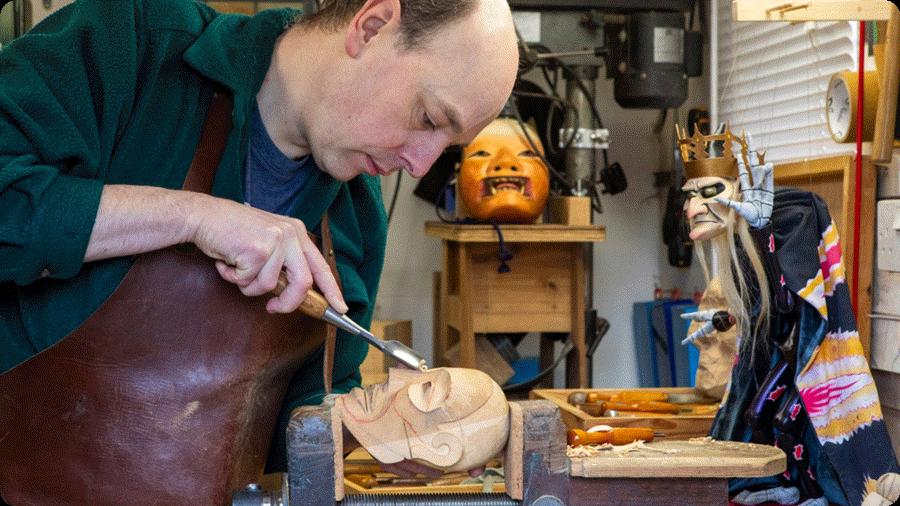
For Stephen Foster, a puppet is not a prop. It is a theatre instrument that has to move well, last for years and hold an audience’s attention. The 47-year-old from East Kilbride in Scotland is one of as few as six people making marionette puppets in Britain, in a craft now officially recognised as endangered. He made his first puppet at high school after finding a pattern in an old book during a woodworking class, and has kept at it ever since. "The first time I made a marionette was at high school, when we had a woodworking class in fifth year," Stephen said. "We could choose whatever we wanted to make. "There was an old book by a marionette maker called Waldo Lanchester, and he had a pattern on the back of it to make a puppet. "I redid it when I met my mentor when I went to college, and made it a bit lighter and more flexible, and then continued to make them on and off after that." Stephen later studied theatre in college, where he focused on puppetry and met the mentor who taught him the craft. Over the years, he has worked in a range of jobs, often in theatre, while keeping puppet making as a side job. He said that work is driven by two basic questions, what the puppet should look like and what it needs to do. "The first part of the process is finding out what the character is and what it's going to look like, so you design the visuals of it," Stephen said. "Then you've got to find out what it's got to do, because there's no point in making something that looks really nice but can't move well, or concentrating on the walk when in reality it's going to be static. "It can be a long process, and especially with marionettes, a bit of trial and error, because balance is so important with them." A single puppet can take several weeks to a month to make, depending on how detailed or flexible it needs to be. Stephen often uses them himself in workshops and performances, and has also made custom pieces for puppeteers and collectors around the country. He said some of the pieces he made 25 years ago still work. "I did some for an exhibition, they were designs based on real ballet costumes, so I had to interpret the costumes so you could recognise them from the original designs," he said. "I don't know of the ones I've sold on that are still in use, but some of the early ones that I've made 25 years ago, I've still got working. "It's important to make the puppets good from a technical point of view. "I look at them like instruments in a theatre, you've got to make them perform properly. They've got to be robust; they've got to last. "You don't generally get duff musical instruments in orchestras, they're all good quality. "It's the same with the puppets. They've got to be of a standard so that they perform properly and the performer can get everything out of them." The trade is now under pressure. A recent estimate from Heritage Crafts suggests there are only between 6 and 20 people in the UK working full-time or part-time in marionette making. Stephen said traditional marionettes have become less popular in part because they take a long time to learn to operate smoothly. "It's a difficult thing professionally, because it takes a long time for someone to learn," he said. "Even if you are used to marionettes, you have to almost break one in to get used to it. "Recently, they tend to be more private or decorative pieces to work with." Even so, he wants to keep the craft going because he sees puppet theatre as many children’s first contact with the stage. "A good live theatre experience is incredible," he said. "Puppet theatre is an entryway for most kids into theatre. "From an experience point of view for the audience, it's important that what you create is of a high standard and it encourages people to come back to the theatre. "If you get that right, you've possibly set up an audience for future plays, future theatre-goers to keep that alive."
Score (97)
She Invented a Water Filter That Removes 96 Percent of Microplastics, and She Just Turned 18
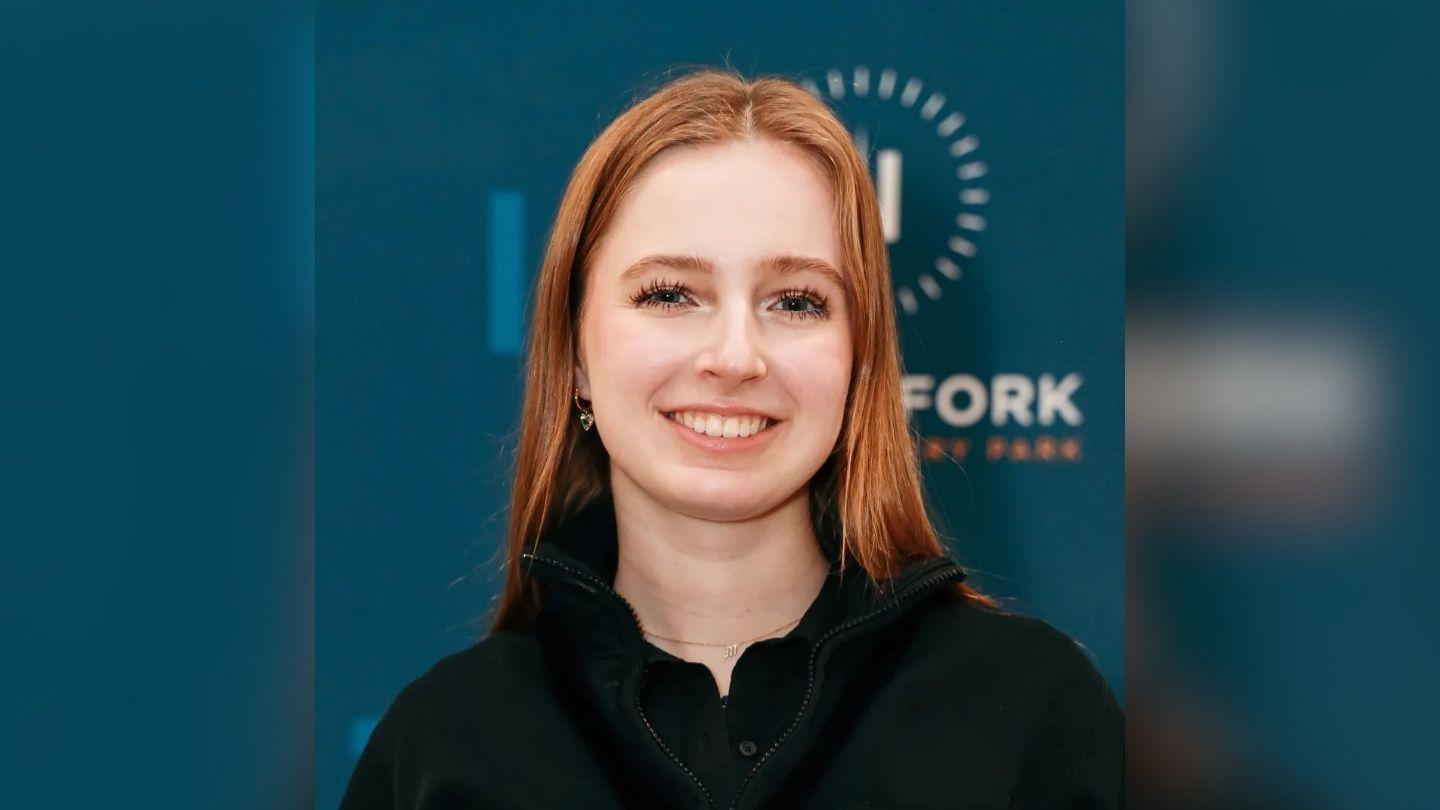
It started with a local water problem and a lot of filter changes at home. For Mia Heller, that turned into a high school research project aimed at pulling microplastics out of drinking water without using a membrane. A few years ago, Heller read an article in her local newspaper about water quality issues in her neighborhood in Warrington, Virginia. Tests had found that the water available for daily consumption was highly contaminated with PFAS and microplastic pollution. The article also reported that government agencies would not be providing funds for filtering the water. “It was up to people to provide their own filtration,” says Heller, according to Smithsonian Magazine. After that article was published, Heller’s parents bought an advanced water filtration system for their home. But the system needed constant upkeep. Heller watched her mother replace the water filter membranes again and again, and started looking for another option. “It inspired me to design a filter without the use of membranes, to decrease the costs and maintenance needs associated with water filtration,” Heller tells Smithsonian Magazine, now 18 and a student at Kettle Run High School. Through her school, she also attends a half-day program for math, science and technology at nearby Mountain Vista Governor’s School. Microplastics are a growing concern. The Environmental Protection Agency defines them as small particles measuring about 1 nanometer to 5 millimeters in size. The agency says primary microplastics are tiny plastics manufactured for products such as cosmetics and biomedical products. Secondary microplastics are pieces that have broken down from larger plastic consumer products. These particles are turning up in the environment, animals and people. “Micro- and nanoplastics are getting into our bodies,” says Matthew J. Campen, a toxicologist at the University of New Mexico in Albuquerque. A recent study found microplastics in 1,300 species, including humans. Researchers have detected them throughout the human body, from the brain to the insides of bones. Concentrations have also been found in testes, semen and the placenta of unborn fetuses. Microplastic intake by organisms has increased sixfold since 1990, and plastic production continues to rise. A 2025 University of New Mexico study co-authored by Campen found that concentrations of microplastics in human brain tissue increased by 50 percent in less than a decade. “There are still a lot of questions as to whether these plastics are really impacting our health at this point,” Campen says. He adds that there is evidence that “there might be issues for cardiovascular disease and potentially neurological disease.” He says the links are not strong enough to be conclusive. Recent studies have linked microplastic consumption to cancers, respiratory and cardiac diseases, hormonal disruptions, Alzheimer’s disease and other noncommunicable diseases, though the exact impacts on human health remain unclear. Heller came up with the idea for her filtration system in the spring of 2024 and began working on it in the summer of 2025. By early January of that year, after experimenting in her garage and kitchen, she had a working prototype. “It was essentially just a container,” she says. Inside it was what she called a “spinning magnified vial.” Heller used a reusable magnetic oil called ferrofluid to selectively bind to microplastic particles as water moved through the filter. Her early model removed microplastics in two steps, but it still needed constant maintenance because it did not recycle the ferrofluid on its own. “But if I could create a system that was able to basically clean itself and reuse material," she explains, “the maintenance needs could go down by a lot.” She kept refining the design. One of the biggest challenges was arranging the units so the ferrofluid, which is thicker than water, could move into the water chamber above it without clogging. She also needed magnetic separation and ferrofluid recovery to work together as one system instead of competing with each other. After about five more iterations, Heller says she found the answer. Her current prototype is about the size of a standard bag of flour and has three modules. The first unit, about 1 liter in volume, holds the contaminated water. The second stores the magnetic oil-based ferrofluid. The third, and much smaller module, is where the main process happens. “A magnetic field pulls the microplastics out of the water, and the ferrofluid is recovered and reused in a closed loop,” explains Heller. Used as a stand-alone filter, similar to a Brita pitcher, the system can filter about 1 liter of water at a time. To test the device, Heller developed a turbidity sensor to measure the amount of suspended solids in a liquid. She used it to measure the amount of ferrofluid and microplastics in the water, and to calculate the weight-based percentage of microplastics removed. According to her tests, the prototype removed 95.52 percent of microplastics from the water and recycled 87.15 percent of the ferrofluid. Traditional drinking-water treatment plants remove about 70 to more than 90 percent of microplastic components. “The result is an affordable, low-waste filtration system without the use of a solid membrane,” says Heller. Her project made her a finalist in the 2025 Regeneron International Science and Engineering Fair, described as the world’s largest global science competition for high school students. There, she received a special $500 award from the Patent and Trademark Office Society for her low-cost and efficient water filtration technology. Campen called the filtration system a “really great idea.” He added, “She is doing something that has to be done.” He also said the test results are an early step for a high school research project and could improve with investment in engineering. Still, he has concerns about what happens after the microplastics are removed. “We have to know that the way she extracts these microplastics captures them in a way that we can then discard them or destroy them in a way that gets rid of them completely,” he says. The system, he adds, should not “leave some other pollutant residue that we have to deal with.” If the system removes microplastic components without leaving residues, Campen says the next question is scale. He wonders if the device would work best in individual plumbing systems or at municipal water treatment plants. Heller sees it as an under-the-sink system for homes. “Because ferrofluid is currently expensive to produce at a large scale,” she notes, “I see this as a system for individual home use.” For now, she wants to professionally confirm the results she found at home. “I would love to eventually bring it out to market,” she says. “I think that would be something that would be really interesting.” 📸 credit: Regeneron International Science and Engineering Fair

Score (98)
It's a Beautiful Day: Mister Rogers’ Neighborhood Collection Is Finally Headed To YouTube
A classic children’s show is heading to a new platform. Fred Rogers Productions has partnered with Little Dot Studios to bring Mister Rogers' Neighborhood to YouTube for the first time, making the series available to families through a dedicated channel. The channel will include full-length episodes, curated clips, short videos and compilations. Fred Rogers Productions said the move is aimed at meeting families where they are today while keeping the heart of the show intact. “Mister Rogers’ Neighborhood continues to inspire viewers young and old across four generations,” said Paul Siefken, President and CEO of Fred Rogers Productions. “We’re excited to partner with Little Dot Studios… to make the wonder, kindness, and human connection of the series more discoverable and accessible than ever.” Fred Rogers Productions said the show’s lessons of kindness, respect and curiosity will now be easier for a new generation to access in the digital age. Little Dot Studios, which works with children’s brands including PBS KIDS, will help manage and grow the YouTube channel with a focus on modern audiences. “As huge fans of Mister Rogers’ Neighborhood, we’re honored… to build an intentional, audience-first presence on YouTube where these iconic stories can reach the next generation,” said Ben Arnold of Little Dot Studios. Fred Rogers Productions is the nonprofit behind Daniel Tiger’s Neighborhood, Donkey Hodie and Alma’s Way. The company said the move to YouTube continues its work creating values-driven content for children. The new channel will bring Mister Rogers' Neighborhood to YouTube with full episodes, clips, short videos and compilations. 📸 credit: FredRogers.org

Score (95)
New Study Finds Common Vaccine Nearly Halves Heart Risk
For people already living with heart disease, a shingles shot may do more than prevent a painful rash. Research being presented at the American College of Cardiology's Annual Scientific Session, ACC.26, found that adults with atherosclerotic heart disease who received a shingles vaccine had nearly half the rate of serious heart-related events within a year compared with similar patients who were not vaccinated. The study reviewed data from more than 246,822 adults in the United States diagnosed with atherosclerotic heart disease, which is caused by plaque buildup in the arteries. The findings add to growing evidence that the shingles vaccine may have benefits beyond preventing shingles, including a reduced risk of conditions such as heart disease and dementia. "This vaccine has been found over and over again to have cardioprotective effects for reducing heart attack, stroke and death," said Robert Nguyen, MD, a resident physician at the University of California, Riverside and the study's lead author. "Looking at the highest risk population, those with existing cardiovascular disease, these protective effects might be even greater than among the general public." The Centers for Disease Control and Prevention recommends the shingles vaccine for adults aged 50 years and older, along with younger people with weakened immune systems. The vaccine protects against herpes zoster, a condition that causes a painful rash and can sometimes lead to long-lasting nerve pain. It develops when the virus responsible for chickenpox becomes active again in the body, often years after the original infection. Earlier research has shown shingles infections can trigger blood clot formation near the brain and heart, raising the risk of heart attacks, strokes and venous thromboboembolism. By preventing shingles, the vaccine may also lower the chance of these clotting events. For the new study, researchers used TriNetX, a large database containing medical records from millions of Americans. They looked at adults aged 50 years or older with atherosclerotic disease between 2018 and 2025. The analysis included 123,411 people who had received at least one dose of the Shingrix or Zostavax vaccine and an equal number who had not been vaccinated. Both groups were similar in demographics and other health conditions. Researchers examined heart-related outcomes between one month and one year after vaccination, or the same period for people who were not vaccinated. Across all measures, vaccinated individuals had lower risk. They were 46 percent less likely to experience a major adverse cardiac event and 66 percent less likely to die from any cause. Their risk of heart attack fell by 32 percent, stroke by 25 percent, and heart failure by 25 percent. Nguyen said those reductions are substantial and comparable to the benefits seen from quitting smoking. He said the findings support current recommendations for adults over 50 to get the vaccine. "Vaccines are one of the most important medicines we have to prevent disease," he said. "Sometimes patients are unsure about whether they should get a vaccine or not, particularly in an age of disinformation. These results provide another reason for them to elect to get the vaccine." The analysis tracked outcomes only during the first year after vaccination, so the long-term effects may be different. But a previous study published in 2025 found shingles vaccination was linked to a 23 percent reduction in cardiovascular events in generally healthy adults, with benefits that could last up to eight years. One limitation is that people who choose vaccination may also have healthier habits overall. Researchers adjusted for several health and socioeconomic factors, including problems related to housing and economic circumstances, social environment, employment status, education and literacy. Even so, the study says some of the observed benefit may still be influenced by those differences. Nguyen will present the study, "Herpes Zoster Vaccination and Risk of Cardiovascular Events in Patients with Atherosclerotic Cardiovascular Disease," on Monday, March 30, at 12:30 p.m. CT, 17:30 UTC in Posters, Hall E. Photo by Puwadon Sang-ngern on Pexels (https://www.pexels.com/photo/crop-woman-with-stethoscope-and-heart-5340274/)

Score (93)
Experts Are Sharing March Break Tips To Get Kids Cleaning Up
March break can leave a house looking a little busier than usual, and for many parents, the cleanup battle comes with it. Organizing expert Megan Arthurs joined CTV Your Morning on Wednesday to share practical ways to teach kids how to clean up after themselves. Speaking with host Kelsey McEwen, Arthurs said tidying is something children need to learn, not something they automatically know how to do. She said one of the biggest mistakes parents make is giving directions that are too broad. Many parents tell their children to “clean your room,” but Arthurs said that can work against them. “If someone were to say ‘clean your room’ to you or I, we know what that is,” Arthurs said. She said adults understand what that task means, but children can feel overwhelmed by an instruction that covers too much at once. “We want to use focused direction. So instead of saying ‘clean your room,’ we might say, ‘can you pick the books up off the floor and put it on the bookshelf?’” Arthurs said breaking a task into smaller steps helps kids feel more confident and makes them more likely to finish what they have been asked to do. McEwen also asked how parents can get kids to actually take part in tidying up. Arthurs said it helps to make cleaning feel less like a punishment and more like an activity. “A 10-minute reset is really effective for children, (and) honestly, for adults as well,” the expert said. Arthurs said parents can set a timer and challenge their children to clean as quickly as possible. She said that turns cleanup into something fun instead of something negative. It also helps show kids that cleaning can be a short daily habit, rather than a big job that feels overwhelming. The discussion also turned to the tools children use around the house. Arthurs said size matters. “We know if you put a clunky vacuum in front of a child, it’s not manageable. It’s probably twice as big as they are,” she said. She said children do better with tools that are easier for them to handle, including microfibre cloths, mini brooms and dustpans. Arthurs said those kinds of tools make cleaning more accessible and help children feel capable of helping. Toy storage was another focus of the conversation. McEwen pointed to the success of setting up designated spaces at home, and Arthurs said that strategy works because it gives children a clearer system. She said putting all toys into one large bin may seem convenient, but it can overwhelm kids when they are playing and when they are cleaning up. Instead, Arthurs recommends clear, labelled bins. For younger children, she said picture labels can work well. She said these defined “toy zones” make it easier for children to find what they want and return it to the right place afterward. McEwen also asked about clutter that builds up beyond toys. Arthurs said the problem often starts when children move quickly from one activity to another without finishing the first one. “So what typically happens is it’s not the type of toy that’s creating the mess, it’s the quantity of toys,” she said. Her answer is what she calls the “one activity rule.” Arthurs said children should clean up one activity before starting another. She said that prevents mess from piling up and also teaches life skills tied to moving from one task to the next. Throughout the segment, Arthurs kept coming back to the same point, that simple systems and clear instructions can help children build habits that make cleanup easier at home. She said those approaches can be especially helpful during busy times like March break, when kids are spending more time at home. “A 10-minute reset is really effective for children, (and) honestly, for adults as well,” the expert said. Photo by RDNE Stock project on Pexels (https://www.pexels.com/photo/boy-in-blue-shirt-and-blue-cap-in-bathtub-5593646/)
Score (98)
Dog Who Shielded Her Puppies After an Attack Finally Finds A Loving Home
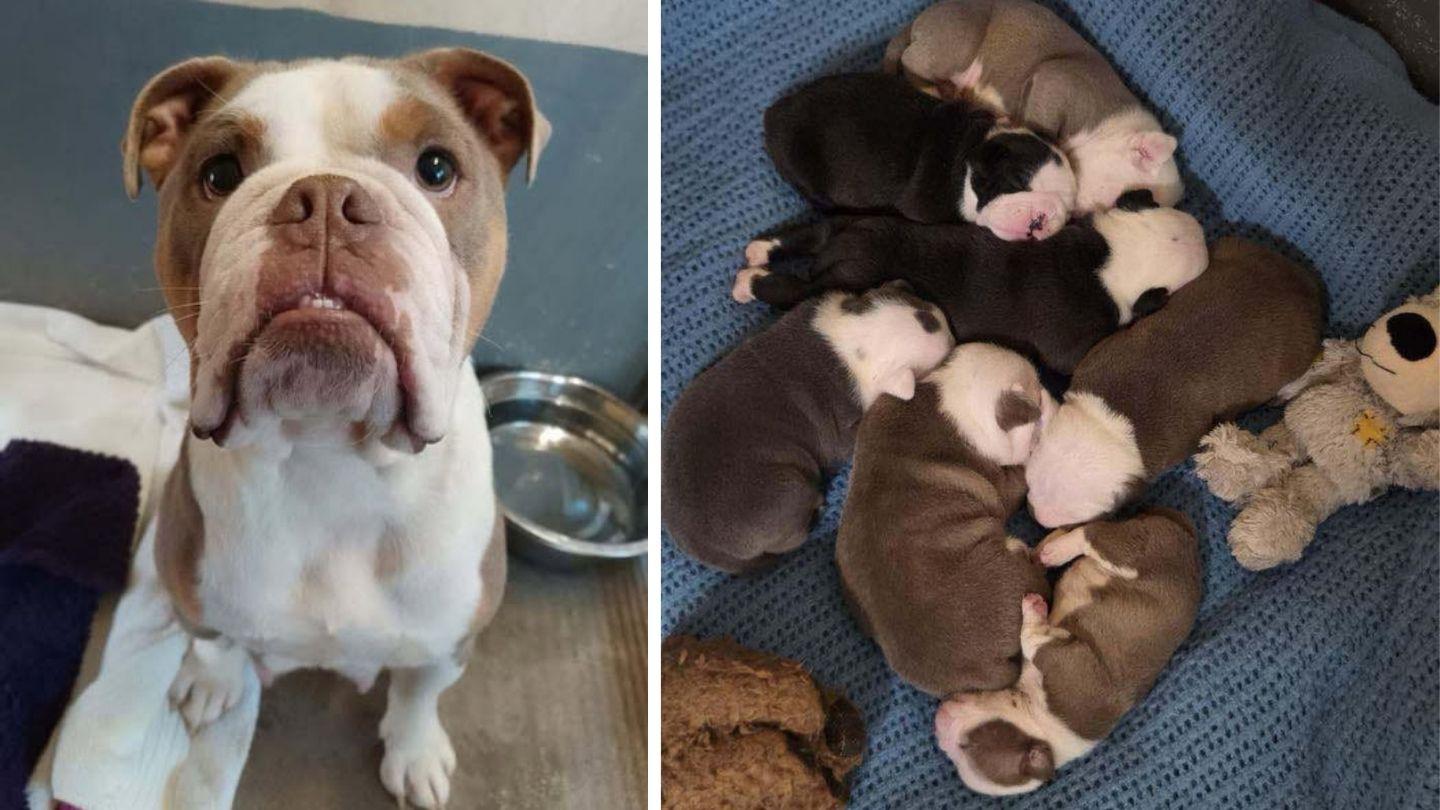
For Roxy, things look very different now. The bulldog, who was left badly injured while protecting her newborn puppies during an attack in Doncaster, England, has recovered and been rehomed, along with all seven of her pups, the Royal Society for the Prevention of Cruelty to Animals said in a recent Facebook post. “A bulldog who was left badly injured while protecting her newborn puppies is now safe, healed and starting a new chapter surrounded by love,” the RSPCA said in the update shared around Mother’s Day. The charity said Roxy was attacked in the Doncaster area at the end of November. In an earlier press release, the RSPCA said police found the injured dog with a serious head wound after her owner admitted to striking her while she tried to shield her litter. Officers removed Roxy and her puppies from the property and contacted the RSPCA’s Doncaster and Rotherham Animal Centre. Staff then arranged urgent veterinary treatment and moved the dogs to what the charity described as a safe, warm environment so they could begin to recover. The RSPCA used its latest post to mark how far Roxy has come since then. “Do you remember Roxy?” the organization wrote. “The mum who bravely protected her puppies during an... attack back in December.” The group said Roxy spent months recovering with support from the rescue team. During that time, she received medical treatment and care, while her puppies were closely monitored as they grew stronger at the shelter. The update said Roxy’s recovery has now led to a new home. “After receiving expert care and plenty of love at RSPCA Doncaster and Rotherham Animal Centre, Roxy has officially landed on her paws,” the organization shared. “She is now unconditionally loved in an amazing home, and all seven of her pups have started their own new chapters, too.” The RSPCA said it chose to post the update around Mother’s Day because of Roxy’s actions during the attack and her care for her litter. “We couldn’t think of a better way to celebrate Mother’s Day than by sharing this update,” the post said. The case drew a strong response online from people who had followed Roxy’s story since the attack was first reported. “Bless her! What a strong Mumma!!!” one commenter wrote beneath the post. Another added, “Hope Roxy and her puppies have a gorgeous long happy life with endless love.” The charity described the latest news as an uplifting outcome after the violence Roxy suffered. Its post said Roxy is now “safe, healed and starting a new chapter surrounded by love.” It also said all seven puppies have been rehomed. The original incident happened when Roxy was with her newborn litter. After police stepped in, the dogs were taken to the Doncaster and Rotherham Animal Centre, where the RSPCA said staff coordinated emergency help and supported the family through recovery. Months later, the group’s message was simple. Roxy survived, recovered and found a home. “She is now unconditionally loved in an amazing home, and all seven of her pups have started their own new chapters, too.” 📸credit: RSPCA Facebook